
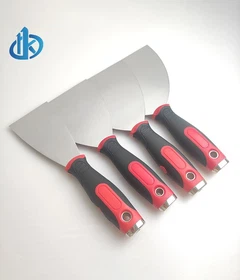
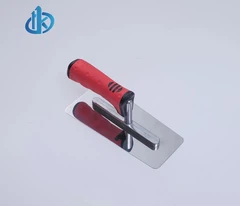
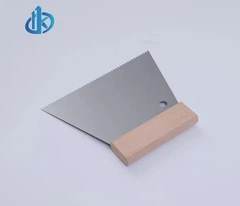

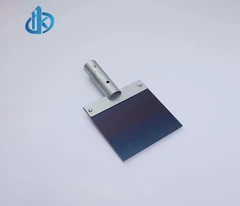

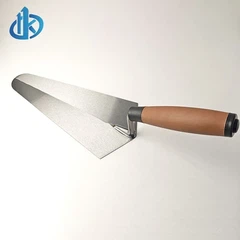

The taping knife market has been witnessing significant shifts in recent years, driven by various factors that are shaping its present and future landscape.
One prominent trend is the increasing demand for ergonomic designs. As professionals and DIY enthusiasts alike become more conscious of the physical strain associated with repetitive drywall work, manufacturers are focusing on developing taping knives with handles that offer maximum comfort. These ergonomic handles, often made from materials like rubberized polymers or textured plastics, reduce hand fatigue and improve grip control. This not only enhances the user experience but also boosts productivity on job sites.
Another trend is the growing preference for multi-functional taping knives. Instead of carrying multiple tools for different stages of drywall finishing, consumers are seeking knives that can perform several tasks. For example, some innovative models combine the ability to spread joint compound evenly with features that aid in tape embedding and smoothing, all in one tool. This versatility saves both time and money for users.
In terms of materials, there is a clear move towards high-quality, durable options. Stainless steel blades continue to gain popularity due to their rust resistance and long lifespan. Additionally, advanced coatings are being applied to blades to further enhance their non-stick properties and ease of cleaning.
Looking ahead, the market is expected to expand steadily. The booming construction industry, especially in the residential and commercial sectors, will drive the demand for taping knives. As new building projects spring up, contractors and DIYers will require reliable tools to achieve professional finishes.
Moreover, with the rise of online sales channels, consumers have easier access to a wide range of taping knife options. Manufacturers will need to focus on digital marketing and customer reviews to stand out in this competitive space. In conclusion, the taping knife market is evolving to meet the changing needs of its users, and the future holds promising opportunities for growth and innovation.


