
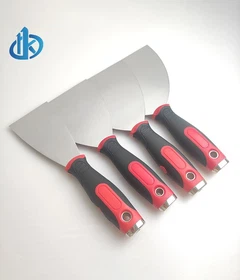
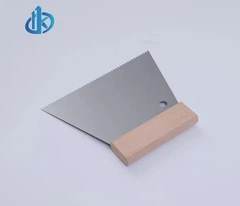
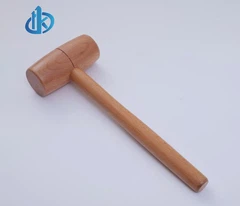

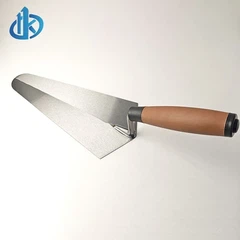

Humidity can have a significant impact on the performance of the wooden handles of putty knives.
In high-humidity environments, the wooden handles are prone to absorbing moisture. As the moisture content increases, the wood begins to swell. This swelling can lead to a change in the handle's dimensions, making it uncomfortable or even difficult to grip. For instance, if the diameter of the handle expands by a few millimeters, it can disrupt the ergonomic feel that users expect, reducing their control over the putty knife during use.
Moreover, excessive humidity can cause warping. A warped handle not only affects the appearance of the putty knife but also its functionality. The blade may no longer be aligned properly with the surface being worked on, leading to uneven application of putty or scraping. This can result in a subpar finish and wasted effort.
Long-term exposure to humidity can also accelerate the deterioration of the wood. Moisture provides an ideal environment for fungi and bacteria to thrive, which can cause rot. Rotting weakens the structural integrity of the handle, increasing the risk of breakage. In severe cases, the handle may snap off during normal use, posing a safety hazard.
On the other hand, in very dry environments, the wood can lose moisture and become brittle. This brittleness makes the handle more susceptible to cracking, especially when subjected to stress, such as when firmly gripping the putty knife. Cracks can further compromise the handle's strength and usability.
To mitigate these issues, proper wood selection, treatment, and humidity control during storage and use are essential. By understanding the impact of humidity, manufacturers can take appropriate measures to ensure the wooden handles of putty knives perform optimally in various environmental conditions.
Our Products


