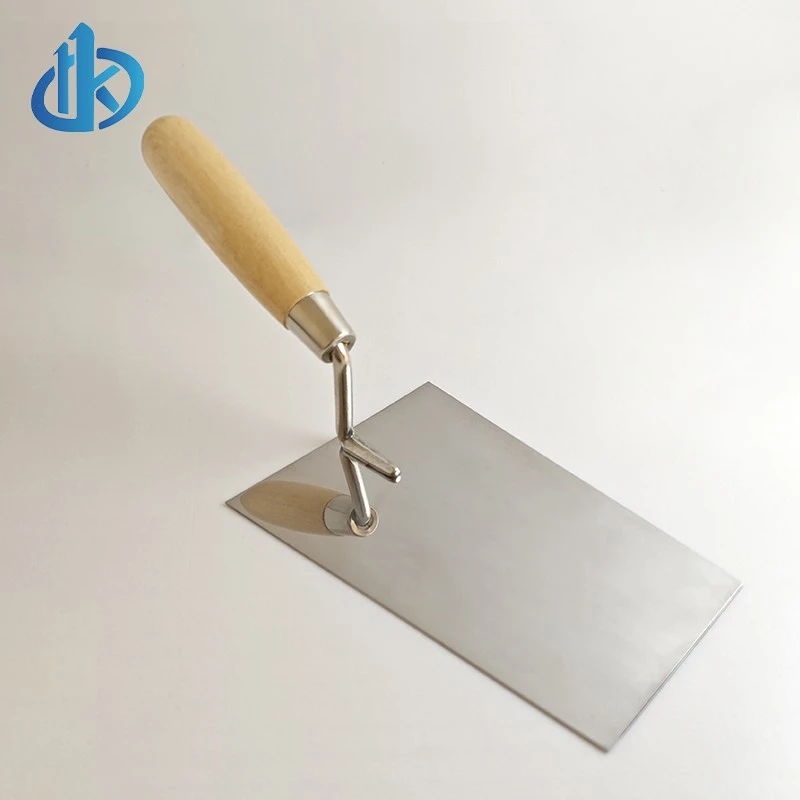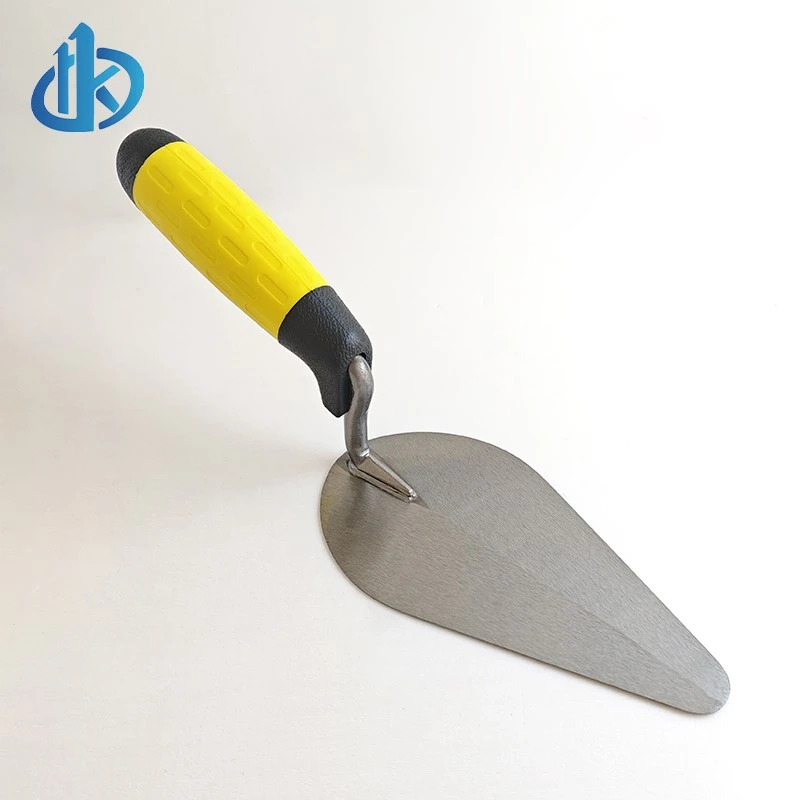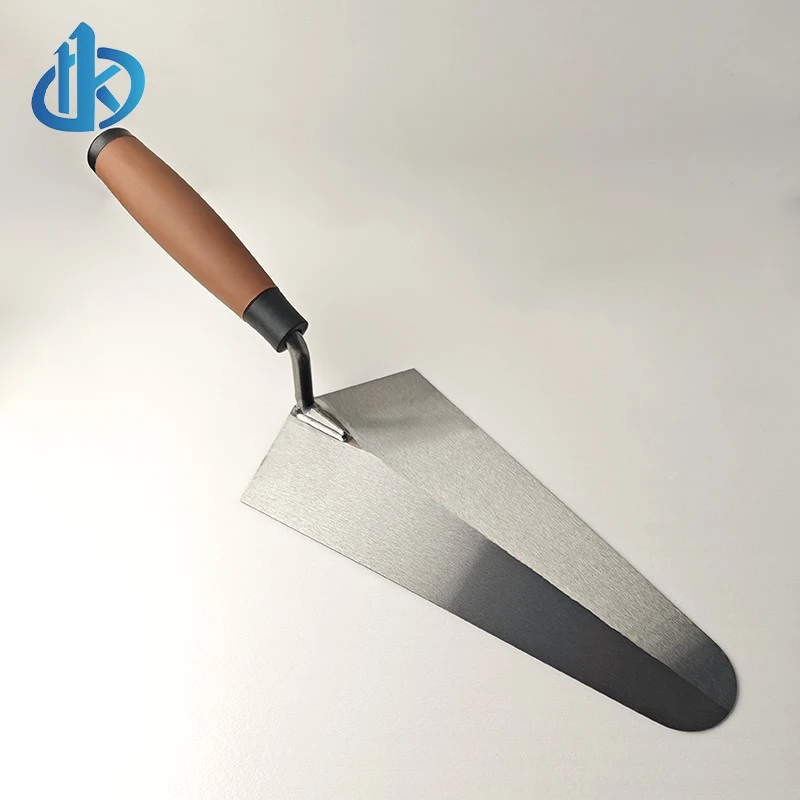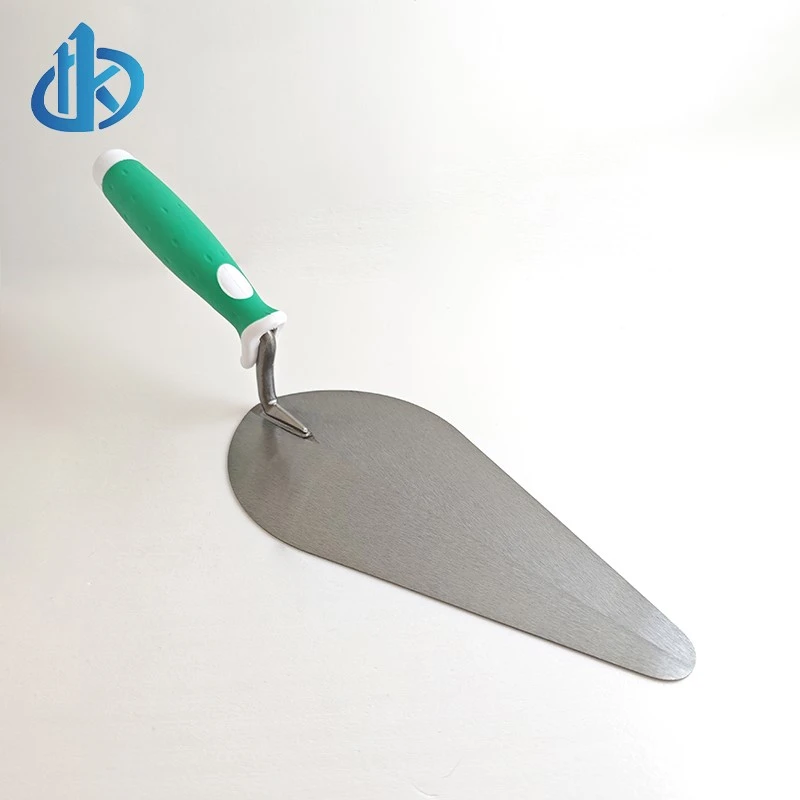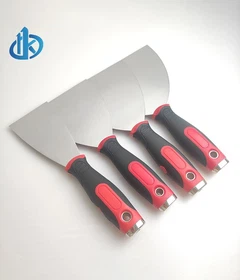
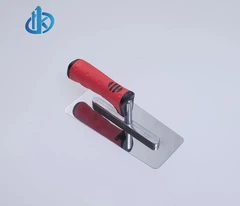


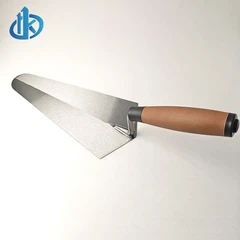

If you've ever marveled at a brick wall, run your hand along a cozy fireplace, or walked across a sturdy stone patio, you've got the brick trowel to thank. This iconic tool-with its flat, rectangular blade and comfortable handle-is more than just a piece of metal; it's the backbone of several industries, each relying on its unique abilities to turn raw materials into something lasting.
Let's start with the big one: the construction industry. Specifically, masonry- the art of building with bricks, stones, or concrete blocks-would be lost without the brick trowel. Masons swear by it; it's their paintbrush, their spoon, their right hand. When laying a brick wall, the mason uses the trowel to scoop just the right amount of mortar (that thick, gray paste that holds everything together) from a bucket, then spreads it smoothly over the surface of a brick or the top of a wall. This "buttering" technique ensures the brick sticks firmly and creates a tight, weatherproof seal. The trowel's flat blade also helps scrape off excess mortar, keeping the joints neat and even. Without it, building a brick house, a retaining wall, or a commercial building would be nearly impossible-imagine trying to spread mortar with a spoon, and you'll get the idea.
But the brick trowel isn't a one-trick pony. The restoration and preservation industry relies on it heavily, too. Old buildings-especially historic homes, churches, and landmarks-often have brick or stone features that need a little TLC. Crumbling chimneys, cracked foundation walls, or eroded stone facades all require skilled workers to replace damaged bricks and reapply mortar, and the brick trowel is their go-to tool. It allows them to match the original mortar's texture and thickness, ensuring the repair blends seamlessly with the rest of the structure. Preservationists take pride in using the same tools as the original builders, and the brick trowel is a key part of that tradition-it's a link between the past and present, helping keep history standing strong.
Then there's the landscaping and hardscaping industry. If you've ever admired a backyard with a stone fire pit, a winding brick pathway, or a retaining wall that holds back a hillside, you can bet a brick trowel was involved. Landscapers use it to lay pavers, set stone edging, and build outdoor features that are both functional and beautiful. The trowel's precision is crucial here-too much mortar, and the stones look messy; too little, and they'll shift over time. A well-used brick trowel helps create outdoor spaces that are not only sturdy but also visually appealing, turning a plain yard into a backyard oasis.
Even the agricultural industry gets in on the action, though in a more niche way. Farmers and ranchers use brick trowels to repair stone silos, build brick feed troughs, or patch up the mortar in old barn walls. It's a tool that adapts to rough, rural environments, just as well as it does to busy construction sites.
In short, any industry that builds, repairs, or preserves structures made of bricks, stones, or blocks can't live without the brick trowel. It's not just a tool-it's a symbol of craftsmanship, a bridge between raw materials and finished beauty, and the silent partner in creating structures that stand the test of time.
products of hanke tools