
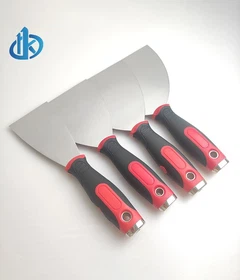
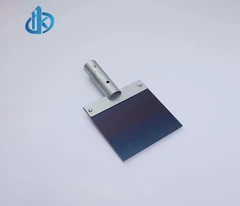

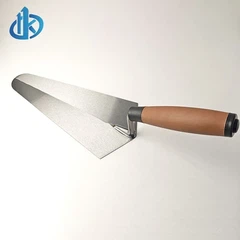

The choice of material for a putty spatula significantly impacts its performance, durability, and suitability for various tasks. Different materials offer distinct advantages, making the "best" material depend on specific needs.
Stainless Steel
Stainless steel is a popular choice for putty spatulas due to its excellent durability and resistance to corrosion. It can withstand exposure to moisture, solvents, and various chemicals, making it ideal for tasks involving substances that could damage other materials. Stainless steel blades maintain their sharp edge and flatness over time, ensuring consistent and smooth application of putty, joint compound, or other materials. They are robust enough for heavy - duty jobs like scraping off old paint or adhesive, yet flexible enough for controlled spreading. However, stainless steel putty knives can be relatively expensive compared to other options.
Carbon Steel
Carbon steel blades are known for their strength and flexibility. They offer a good balance between rigidity and bendability, allowing users to apply the right amount of pressure during use. Carbon steel putty spatulas are cost - effective and work well for general - purpose tasks, such as filling small holes and cracks. However, they are prone to rust when exposed to moisture, so proper maintenance, including cleaning and drying after each use, is essential.
Plastic
Plastic putty spatulas are lightweight and affordable. They are gentle on delicate surfaces, making them suitable for tasks where scratching is a concern, like working on painted furniture or finishing projects. Plastic blades are resistant to corrosion and do not react with chemicals, which is an advantage when using certain types of compounds. However, they lack the strength of metal blades, limiting their use to light - duty tasks. They may also warp or break under excessive pressure.
Brass
Brass putty spatulas are less common but offer unique benefits. They are non - sparking, making them a safe choice for use in environments where flammable materials are present. Brass is also resistant to corrosion and has a certain degree of flexibility. However, brass blades are softer than steel, so they may not be suitable for heavy - duty scraping or applications that require a lot of force.
In conclusion, there is no one - size - fits - all answer to the best material for a putty spatula. For heavy - duty, long - lasting performance and resistance to corrosion, stainless steel is a top pick. Carbon steel offers a budget - friendly option for general use with proper care. Plastic is great for light, delicate work, and brass is suitable for specialized, safety - conscious applications. Consider your specific tasks and requirements when choosing the right putty knife material.


