




What is the best wood for a wood mallet? - Material Matters in Every Strike
When it comes to wooden mallets, the type of wood used is not just a matter of tradition - it defines performance, comfort, and durability. A good mallet must be tough enough to deliver impact yet forgiving enough to protect chisels and workpieces.
Among various hardwoods, beech and birch are widely recognized as ideal materials for mallet heads. Both offer a fine balance of strength, density, and shock absorption. Beech is slightly heavier, providing solid, stable strikes, while birch has a lighter feel, making it suitable for detailed or delicate tasks requiring greater control. In contrast, softwoods like pine or poplar may be cheaper but tend to wear out quickly and don't withstand repeated impacts well.
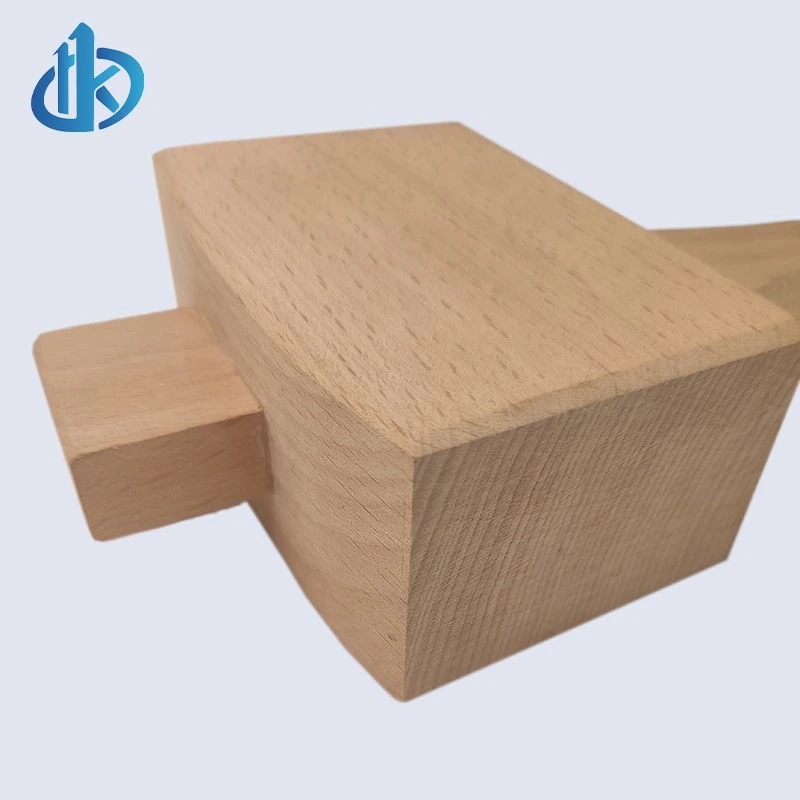
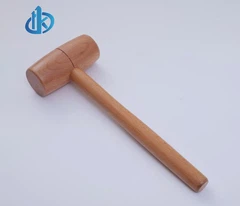
With nearly 30 years of experience in hardware tool manufacturing, Linyi Hanke Tools Co., Ltd. understands what makes a good mallet. Hanke's wooden mallets feature selected beech or birch heads paired with durable hardwood handles, carefully balanced to deliver optimal performance.
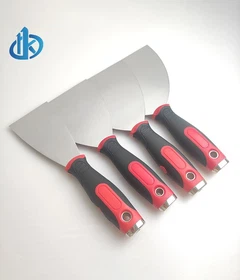
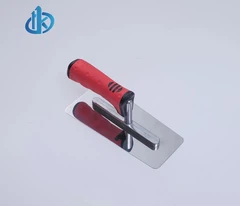
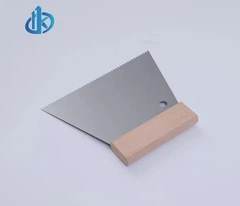
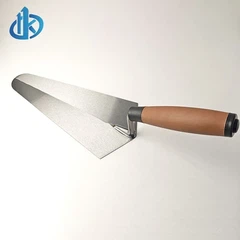
The company's broader tool range includes putty knives, scrapers, trowels, and other professional-grade wooden tools trusted by builders and craftsmen worldwide.
Choosing the best wood for a mallet isn't just a technical detail - it's the foundation for better work. From the very first swing to years of use, the right material helps ensure that every strike is safe, consistent, and effective.


