




Why do woodworkers use a wooden mallet? - Precision Meets Protection
Among the wide range of woodworking tools, the wooden mallet holds a distinct place not for its classic look, but for the control and subtlety it brings to precision tasks.
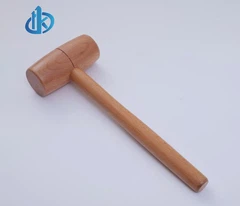
One of its key advantages lies in its gentle impact. When chiseling, fitting joints, or carving, woodworkers often need applied force - but not at the expense of damaging the tools or the workpiece. Unlike metal hammers, a wooden mallet absorbs part of the shock, reducing the risk of chisel deformation or cracking of delicate wooden components.
Its moderate weight and soft rebound also reduce user fatigue during prolonged use. The controlled force allows for greater accuracy, especially in tasks requiring finesse, such as dovetail joinery or fine detailing. For craftsmen focused on long-term performance and material integrity, this tool is an essential.

With nearly 30 years dedicated to the development of construction hardware tools, Linyi Hanke Tools Co., Ltd. brings deep expertise to its line of wooden tools. Their wooden mallets are crafted from premium birch or beech, designed with balanced heads and comfortable grips.
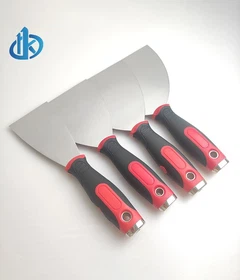
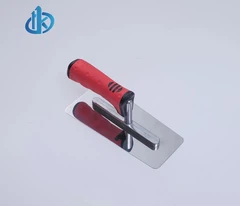
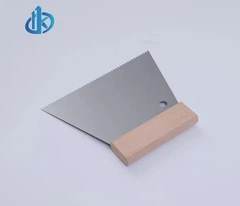
The surface is sanded for anti-slip performance, tailored to meet the demands of daily woodworking. Beyond mallets, Hanke also manufactures putty knives, scrapers, trowels, and other essential hand tools.
Woodworkers trust wooden mallets not just for what they do - but for what they prevent. It's a tool of protection, precision, and craftsmanship, quietly supporting every skilled hand behind the work.


