
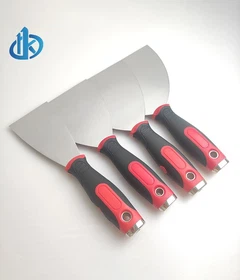
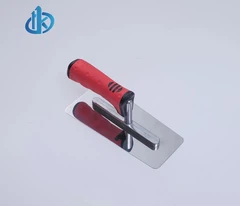
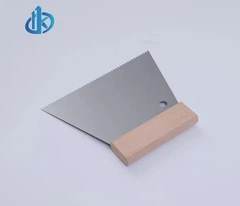
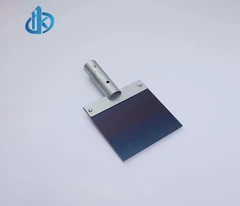

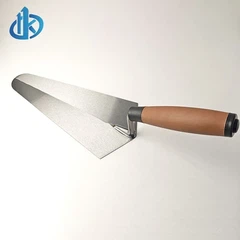

Scrapers and putty knives, though both flat-bladed tools, serve distinct purposes in construction, repair, and DIY projects. Understanding their differences helps users choose the right tool for specific tasks.
1. Design and Construction
A putty knife typically features a flexible metal or plastic blade (6–12 inches long) attached to a wooden or plastic handle. Its blade is thin and bendable, designed for precision work. In contrast, a scraper has a rigid metal blade (often shorter, 3–6 inches) with a replaceable edge, sometimes mounted on a handle with ergonomic grips. Some scrapers have angled heads or adjustable blades for heavy-duty use.
2. Primary Functions
Putty knives excel in applying and smoothing compounds. They spread putty, joint compound, or caulk evenly, filling gaps or preparing surfaces for painting. Their flexibility allows them to conform to slight surface irregularities. Scrapers, however, are built for removal tasks: stripping old paint, wallpaper, adhesive, or gasket residue. Their rigid blades withstand high pressure, making them ideal for scraping stubborn materials.
3. Material and Durability
Putty knife blades are often made of stainless steel or plastic, prioritizing flexibility over hardness. This makes them less likely to damage delicate surfaces but unsuitable for heavy scraping. Scrapers, usually constructed from carbon steel or hardened alloys, have durable blades that resist bending. Some models feature replaceable blades, extending their lifespan for repetitive tough jobs.
4. Usage Scenarios
Putty Knives: Best for finishing work, such as patching drywall, adjusting window putty, or applying thin layers of filler. They're also used in art for texturing paints.
Scrapers: Essential for prep work, like removing peeling paint from wood, clearing old caulk from tiles, or cleaning concrete surfaces. Power scrapers (electric or pneumatic) even handle industrial-scale stripping.
5. Precision vs. Force
Putty knives offer precision and control for fine tasks. Their flexibility lets users apply gentle, even pressure, ideal for achieving smooth finishes. Scrapers prioritize force and rigidity, enabling users to apply strong downward pressure to dislodge tough materials-though this may risk scratching delicate surfaces if misused.
In summary, putty knives are "applicators" for delicate tasks, while scrapers are "removers" for heavy-duty jobs. Choosing between them depends on whether you need to build up a surface or strip it down.


