
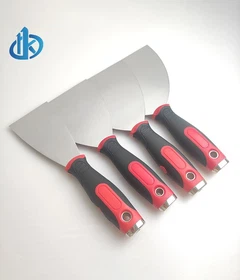
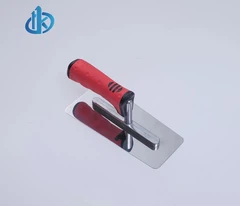
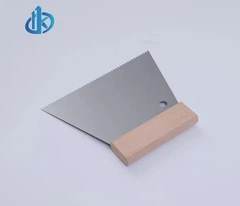
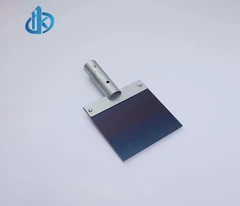

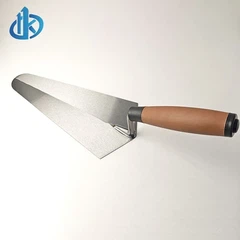

The production of putty knives is a meticulous process that results in a versatile tool widely used in construction and DIY projects.
The first step is sourcing the right materials. High-carbon steel is commonly selected for the blade due to its excellent strength and wear resistance. The steel is precisely cut into the desired blade shape and size. Advanced cutting technologies are employed to maintain accuracy and uniformity across batches.
Subsequently, the blade is formed. This might involve processes like cold forging or pressing, which help to shape the blade to its characteristic thin, flexible, and often tapered form. This shaping imparts the necessary flexibility to the blade, allowing it to smoothly apply and spread putty.
Once formed, the blade undergoes a series of finishing operations. Grinding is carried out to sharpen the edges and create a smooth surface, eliminating any burrs or rough spots. Polishing follows to further enhance the surface quality, reducing the adhesion of putty and ensuring easy cleaning.
The handle is crafted separately. It can be made from materials such as wood, plastic, or rubber. If it's a wooden handle, it is carefully sanded and treated to provide a comfortable grip and prevent splinters. For plastic or rubber handles, they are molded into ergonomic shapes. The handle is then firmly attached to the blade, often using rivets or strong adhesives to ensure a secure connection.
Before the putty knives are ready for the market, strict quality control inspections take place. The blade's flexibility, sharpness, and overall finish are examined, along with the handle's durability and grip comfort. Only those that meet the set standards are packaged and dispatched, making their way into the hands of professionals and hobbyists who rely on them for achieving smooth and even putty applications.


