
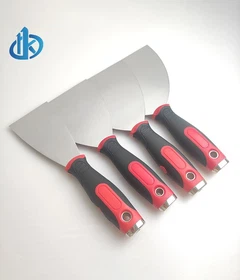
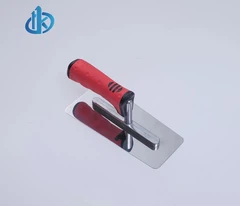
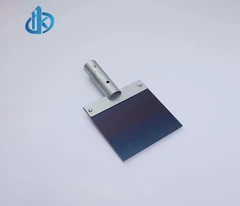

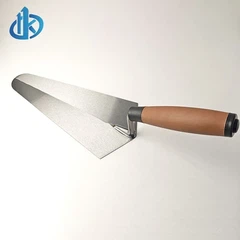

When hunting for a plastering trowel, don't just grab the first one on the shelf-treat it like a tool you'll marry; you want a long, happy relationship. Start with the blade: it should feel rigid but with a little give. Press the center of the blade with your thumb-if it bends like a wet noodle, it's too flimsy. High-quality stainless steel or carbon steel is a must; these materials resist rust and hold their edge, so you won't be replacing it after a few uses.
Next, check the edge. A sharp, smooth edge is non-negotiable-it's what lets you glide through plaster without leaving streaks. Run your finger along the edge (gently!)-if it feels rough or uneven, keep looking. The handle matters too: it should fit comfortably in your hand, like a well-worn glove. Look for ergonomic designs with rubber or cork grips that absorb vibrations-your wrists will thank you after a full day of work.
Don't forget the connection between the blade and handle. Wiggle the handle-if it moves even a little, it's a red flag. A sturdy, riveted or welded joint ensures the trowel can handle the pressure of pushing and smoothing plaster without coming apart. Finally, consider weight: a trowel that's too heavy will tire you out, while one that's too light might not have enough heft to spread plaster evenly. Test it in the store-hold it like you're plastering a wall and see how it feels.


