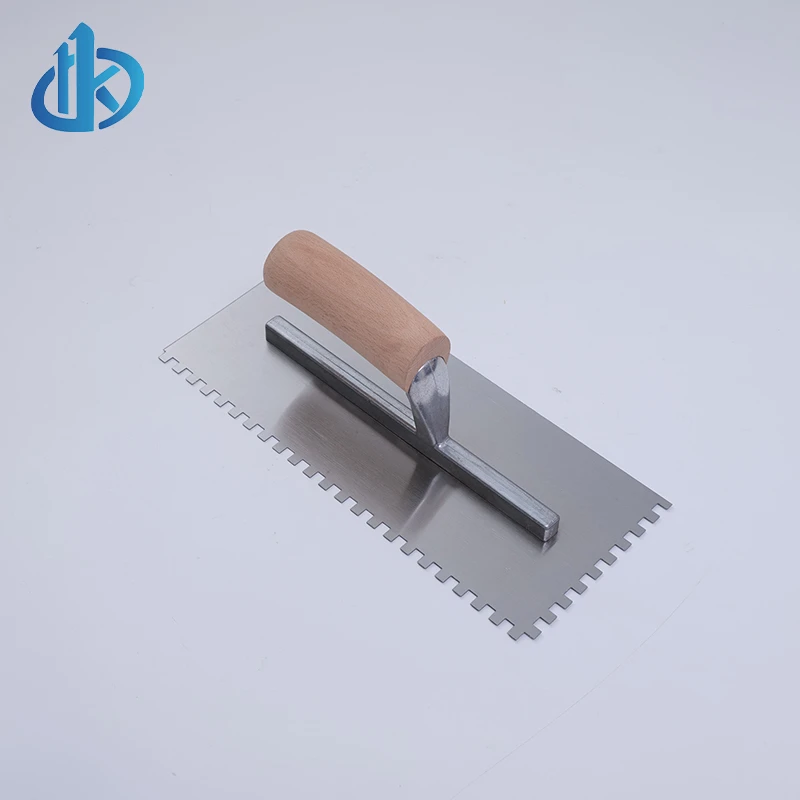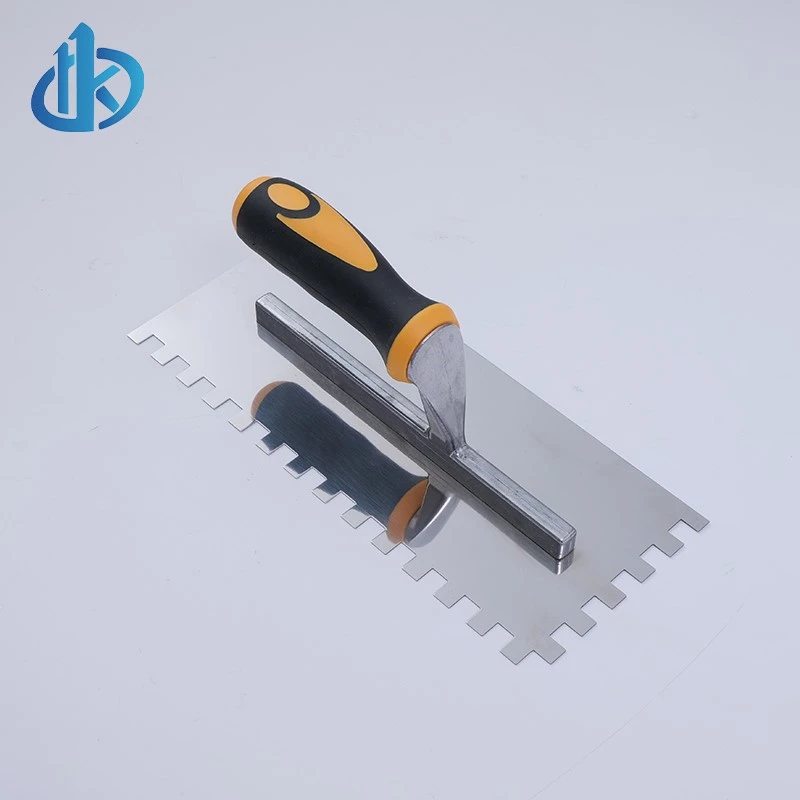
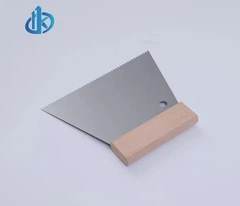
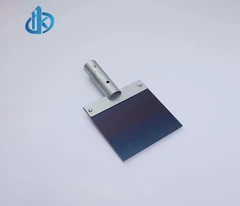


Plastering trowels come in a few flavors, each with a superpower. The square-end trowel is the Swiss Army knife of the bunch-rectangular with sharp corners, it's great for applying base coats and working in corners. It's the first tool most plasterers reach for when tackling large walls, as its flat edge spreads plaster quickly and evenly.
For the final, flawless finish, a finishing trowel is key. These have a slightly flexible blade and often rounded corners, which help avoid scratching the plaster as you smooth it. They're smaller than square-end trowels (usually 8 to 10 inches) and designed to polish the surface, leaving it so smooth you could eat off it (though we don't recommend that).
If you're working with Venetian plaster or other decorative finishes, a Venetian trowel is a must. These have a longer, narrower blade with rounded edges that glide over the plaster, creating a glossy, marble-like effect. They're often made of high-grade stainless steel to prevent discoloration, which is crucial for light-colored plasters.
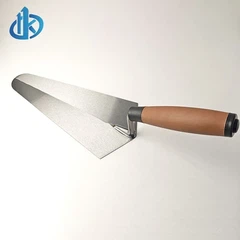
For tight spots, like behind pipes or around fixtures, a pointing trowel (yes, the same one used for brickwork) works wonders. Its small, pointed blade fits into nooks and crannies, ensuring no area is left unplastered.
plastering trowel from hanke tool