


How to Adjust the Blade Angle of a Rubber Handle Scraper for Different Surface Preparation Tasks
Surface preparation is one of the most important stages in construction, renovation, flooring installation, drywall finishing, and industrial maintenance. A scraper may appear to be a simple hand tool, but its effectiveness often depends on one critical factor: the blade angle. Proper blade angle adjustment can significantly improve scraping efficiency, reduce operator fatigue, and help prevent damage to the work surface.
For contractors, distributors, and industrial tool buyers, understanding how blade angle affects performance can also help in selecting the most suitable scraper for different applications.
Why Blade Angle Matters
The blade angle determines how the scraper contacts the surface and transfers force during operation. Even a high-quality scraper may perform poorly if the blade angle is not matched to the material being removed.
A shallow blade angle typically allows smoother movement across flat surfaces and minimizes the risk of gouging. This configuration is commonly used for removing paint residues, adhesives, wallpaper remnants, and drywall compounds.
A steeper blade angle concentrates more force at the blade edge, making it suitable for removing hardened coatings, thick debris, sealants, or stubborn construction materials.
Selecting the correct angle improves:
Material removal efficiency
Surface finish quality
Blade lifespan
Operator control
Workplace safety
Understanding Rubber Handle Scraper Construction
Most professional rubber handle scrapers consist of several key components:
Blade
The blade is usually manufactured from carbon steel, stainless steel, or blue steel. Blade thickness and flexibility vary according to the intended application.
Blade Holder
The holder secures the blade and allows replacement when the cutting edge becomes worn.
Fastening Mechanism
Depending on the scraper design, blade adjustment may be achieved through screws, clamps, locking plates, or quick-release systems.
Rubber Handle
The rubber-coated ergonomic handle improves grip, reduces hand fatigue, and provides better control during extended use. This is particularly important in flooring, drywall, and construction applications where scraping tasks may continue for several hours.
Step-by-Step Guide to Adjusting Blade Angle
Step 1: Inspect the Scraper
Before making any adjustments, examine the scraper design and identify the blade locking system. Different scraper models use different adjustment mechanisms.
Check for:
Loose components
Blade wear
Bent blade edges
Damaged fasteners
Proper inspection helps ensure safe operation.
Step 2: Loosen the Locking Mechanism
Use the appropriate tool to loosen the screws, clamps, or locking assembly holding the blade.
Avoid excessive force, as over-tightening or aggressive loosening can damage the mounting system.
Step 3: Set the Desired Blade Angle
Adjust the blade according to the material being removed.
Typical recommendations include:
| Application | Suggested Blade Angle |
|---|---|
| Paint Removal | 15°–25° |
| Drywall Compound | 20°–30° |
| Wallpaper Removal | 15°–20° |
| Adhesive Removal | 25°–35° |
| Floor Coating Removal | 30°–45° |
| Hardened Debris Removal | 35°–50° |
Testing different angles can help determine the most effective setup for specific working conditions.
Step 4: Secure the Blade
Once the desired angle has been selected, tighten the fastening mechanism securely.
Ensure:
The blade remains centered
No movement occurs during operation
The blade edge is properly aligned
Improper fastening can affect scraping accuracy and increase wear.
Step 5: Perform a Trial Test
Always test the scraper on a small section of the work area before beginning large-scale operations.
Observe:
Blade stability
Surface finish quality
Material removal speed
Operator comfort
Fine adjustments can then be made if necessary.
Common Blade Angle Adjustment Mistakes
Even experienced operators occasionally encounter performance issues caused by incorrect blade setup.
Over-Tightening the Fasteners
Excessive tightening may deform the blade holder or create uneven pressure across the blade edge.
Using the Same Angle for Every Application
Different materials require different cutting angles. A universal setting often reduces efficiency.
Ignoring Blade Condition
A dull or damaged blade can negatively impact performance regardless of angle adjustment.
Failing to Test Before Use
Small trial tests help avoid unnecessary surface damage and improve productivity.
Typical Applications for Rubber Handle Scrapers
Rubber handle scrapers are widely used across multiple industries:
Drywall Finishing
Removing excess joint compound and smoothing surfaces before painting.
Flooring Installation
Eliminating adhesive residue, old flooring materials, and surface contaminants.
Painting Preparation
Removing loose paint and preparing substrates for coating applications.
Construction Renovation
Cleaning concrete surfaces and removing construction debris.
Industrial Maintenance
Removing sealants, coatings, and accumulated residues from equipment surfaces.
Marine and Shipbuilding
Surface preparation prior to coating and corrosion protection procedures.
Choosing a Rubber Handle Scraper Supplier
When sourcing scrapers for distribution, wholesale projects, or OEM programs, buyers should evaluate:
Blade material specifications
Handle durability
Ergonomic design
Blade replacement system
Manufacturing consistency
Packaging options
OEM and private label capabilities
These factors directly influence product performance and long-term customer satisfaction.
Rubber Handle Scraper Solutions from Hanke Tool
As a professional manufacturer of hand tools for drywall finishing, plastering, painting, and surface preparation applications, Hanke Tool supplies a wide range of scraper products to distributors, importers, and private label brands worldwide.
With years of manufacturing experience, the company focuses on producing practical construction tools designed for demanding jobsite conditions. Its product portfolio includes rubber handle scrapers, putty knives, drywall knives, plastering tools, floor scrapers, taping knives, and finishing tools used across residential, commercial, and industrial projects.
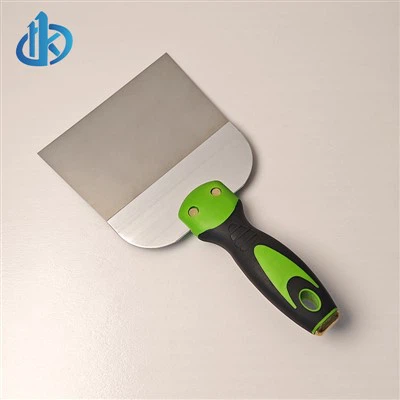
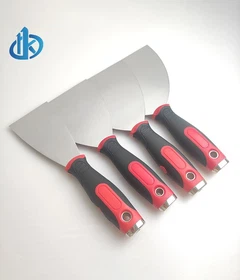
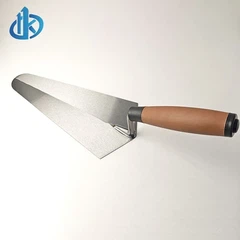
Among the available solutions, the Rubber Handle Scraper is widely selected by overseas buyers due to its ergonomic grip design, stable blade retention system, and compatibility with various scraping applications. The rubber handle improves control during prolonged use, while the durable blade assembly supports efficient removal of coatings, adhesives, drywall compounds, and surface contaminants.
For distributors seeking OEM or private label opportunities, Hanke Tool also provides customization options including logo printing, packaging design, blade specifications, and handle configurations to meet different market requirements.
Conclusion
Proper blade angle adjustment is a simple but essential technique that can dramatically improve the performance of a rubber handle scraper. By understanding blade geometry, selecting the correct angle for the task, and maintaining the scraper properly, operators can achieve better surface preparation results while extending tool life.
For construction suppliers, hardware distributors, and procurement professionals, selecting a well-designed rubber handle scraper from an experienced manufacturer can help ensure consistent performance across a wide range of applications. Whether used for drywall finishing, flooring preparation, paint removal, or industrial maintenance, the right scraper setup can significantly improve efficiency and surface quality.