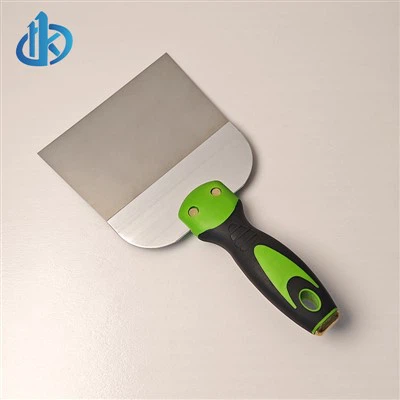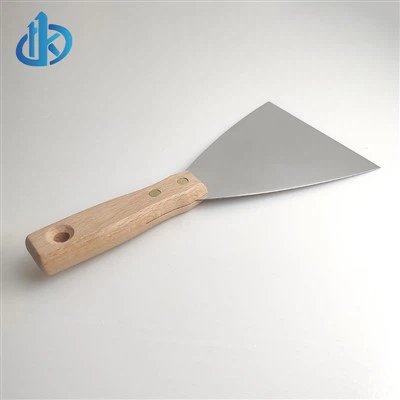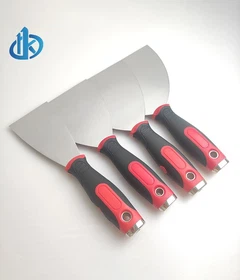
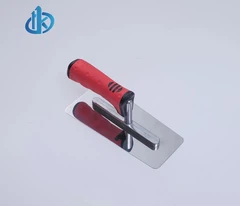



When it comes to scraping tools, two popular options stand out: stainless steel scrapers and wooden scrapers. Each has its own set of characteristics, advantages, and limitations. As a stainless steel scraper supplier, I have witnessed firsthand the diverse applications and performance of these tools in various industries. In this blog post, I will provide a comprehensive comparison between stainless steel scrapers and wooden scrapers to help you make an informed decision for your specific scraping needs.
Material Properties
Stainless steel is a corrosion-resistant alloy composed primarily of iron, chromium, and other elements. This material offers exceptional strength, durability, and resistance to rust, making it ideal for long-term use in harsh environments. Stainless steel scrapers can withstand high pressures and repeated use without losing their edge, ensuring consistent performance over time.
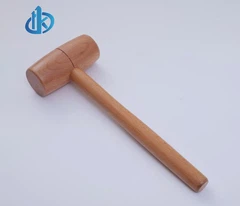
On the other hand, wooden scrapers are typically made from hardwoods such as beech, maple, or cherry. Wood is a natural and renewable material that provides a soft and gentle scraping surface. Wooden scrapers are lightweight and easy to handle, making them suitable for delicate tasks that require precision and control.


Performance and Functionality
One of the key advantages of stainless steel scrapers is their sharpness and cutting ability. The hard and smooth surface of stainless steel allows for efficient scraping and removal of stubborn materials, such as paint, adhesive, and rust. Stainless steel scrapers can also be easily sharpened, ensuring a continuous and effective scraping edge.
Wooden scrapers, on the other hand, are better suited for softer materials and delicate surfaces. The natural flexibility of wood allows for a more conformable scraping action, reducing the risk of damage to the workpiece. Wooden scrapers are commonly used for finishing and smoothing tasks, such as sanding and polishing, as they can provide a fine and even surface finish.
Durability and Maintenance
Stainless steel scrapers are highly durable and resistant to wear and tear. They can withstand repeated use and harsh cleaning methods without losing their shape or performance. Stainless steel scrapers are also easy to clean and sterilize, making them suitable for use in food processing, medical, and pharmaceutical industries.
In contrast, wooden scrapers are more prone to damage and wear. They can be easily scratched, dented, or cracked, especially when used on hard or abrasive surfaces. Wooden scrapers also require regular maintenance, such as oiling and sanding, to prevent drying out and cracking.
Cost and Availability
Stainless steel scrapers are generally more expensive than wooden scrapers due to the higher cost of the material and manufacturing process. However, the long-term durability and performance of stainless steel scrapers make them a cost-effective investment in the long run. Stainless steel scrapers are also widely available in a variety of sizes and shapes, making them suitable for a wide range of applications.
Wooden scrapers, on the other hand, are more affordable and readily available. They can be easily sourced from local hardware stores or online retailers. However, the quality and performance of wooden scrapers can vary depending on the type of wood and the manufacturing process.
Applications
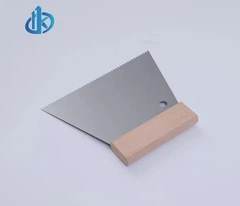
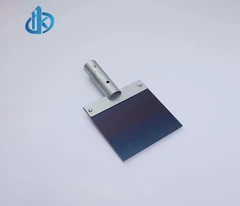
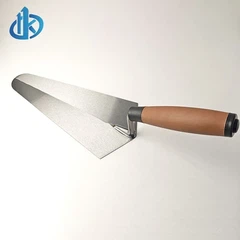
Stainless steel scrapers are commonly used in industrial, automotive, and construction applications, where durability, strength, and corrosion resistance are essential. They are ideal for scraping, cleaning, and removing stubborn materials from metal, plastic, and concrete surfaces. Some popular stainless steel scrapers include the Painter's Taping Knife, which is designed for applying and removing tape, and the 18 Inch Drywall Knife, which is used for smoothing and finishing drywall joints.
Wooden scrapers, on the other hand, are commonly used in woodworking, furniture making, and arts and crafts applications, where a gentle and precise scraping action is required. They are ideal for removing excess glue, sanding, and finishing wood surfaces. The Corner Filling Knife is a popular wooden scraper that is used for filling and smoothing corners and edges in woodworking projects.
Conclusion
In conclusion, both stainless steel scrapers and wooden scrapers have their own unique advantages and limitations. The choice between the two depends on the specific application, the type of material being scraped, and the user's personal preferences. Stainless steel scrapers offer superior durability, strength, and cutting ability, making them ideal for heavy-duty and industrial applications. Wooden scrapers, on the other hand, provide a gentle and precise scraping action, making them suitable for delicate and finishing tasks.
As a stainless steel scraper supplier, I recommend considering the specific requirements of your project before choosing a scraping tool. If you need a tool that can withstand harsh environments and repeated use, a stainless steel scraper is the way to go. However, if you are working on a delicate or sensitive surface, a wooden scraper may be a better option.
If you have any questions or need further information about our stainless steel scrapers, please do not hesitate to contact us. We are always happy to help you find the right tool for your needs and provide you with the best possible service.
References
- "Stainless Steel: Properties and Applications." The Balance Small Business.
- "Wooden Scrapers: A Traditional Woodworking Tool." Fine Woodworking.
- "Scraping Tools: Types and Uses." Industrial Safety & Hygiene News.