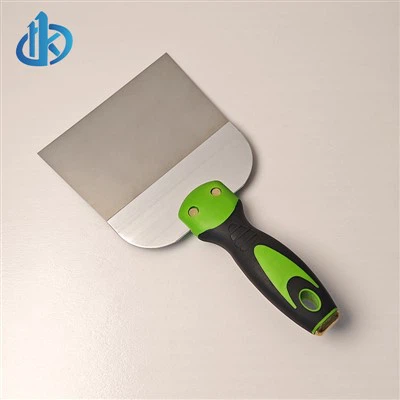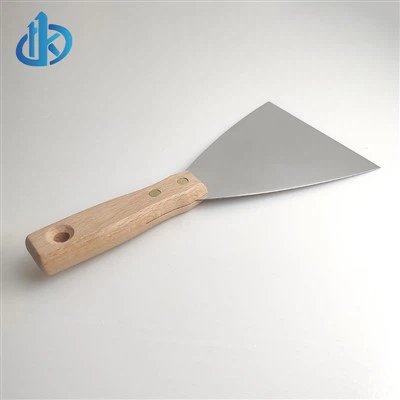
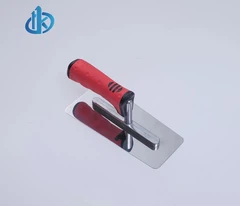
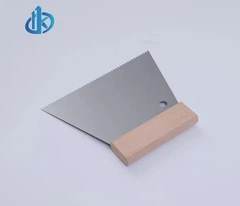
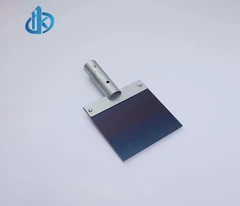

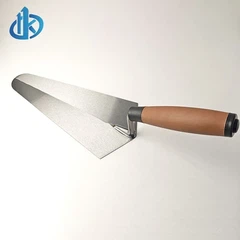


A carbon steel putty knife is a versatile and essential tool in various industries, from construction to woodworking and home improvement. However, like any tool, it can get damaged over time due to regular use, improper handling, or accidental impacts. As a carbon steel putty knife supplier, I understand the importance of maintaining these tools to ensure their longevity and optimal performance. In this blog post, I'll guide you through the process of repairing a damaged carbon steel putty knife, step by step.
Assessing the Damage
The first step in repairing a damaged carbon steel putty knife is to assess the extent of the damage. This will help you determine the appropriate repair method. Common types of damage include:
- Blade Dullness: Over time, the blade of a putty knife can become dull, making it difficult to apply putty smoothly. Dull blades may also tear or leave uneven surfaces on the material being worked on.
- Blade Chipping or Breaking: If the putty knife is used to scrape hard surfaces or is subjected to excessive force, the blade may chip or break. This can affect the tool's functionality and make it unsafe to use.
- Handle Damage: The handle of a putty knife can also get damaged, either through wear and tear or accidental impacts. A loose or broken handle can make the tool uncomfortable to hold and may affect its control.
Repairing a Dull Blade
If your putty knife blade is dull, you can sharpen it using a few simple tools. Here's how:
- Gather Your Tools: You'll need a sharpening stone, a honing oil, and a cloth. The sharpening stone should be fine-grit for a smooth finish.
- Prepare the Sharpening Stone: Apply a few drops of honing oil to the sharpening stone and spread it evenly using the cloth. The oil helps to lubricate the stone and prevent the blade from overheating.
- Sharpen the Blade: Hold the putty knife at a 20-degree angle to the sharpening stone. Using light pressure, move the blade across the stone in a circular motion, starting from the base of the blade and working towards the tip. Repeat this process on the other side of the blade.
- Hone the Blade: After sharpening the blade, use a honing steel to remove any burrs or rough edges. Hold the honing steel vertically and place the blade at a 20-degree angle against it. Move the blade down the length of the honing steel in a smooth, continuous motion.
- Test the Blade: Once you've sharpened and honed the blade, test it by applying a small amount of putty to a surface. If the blade glides smoothly and cuts through the putty cleanly, it's properly sharpened.
Repairing a Chipped or Broken Blade
If your putty knife blade is chipped or broken, you may be able to repair it using a blade replacement kit. Here's how:


- Remove the Damaged Blade: Use a screwdriver to remove the screws that hold the blade in place. Carefully remove the damaged blade from the handle.
- Select a Replacement Blade: Choose a replacement blade that is compatible with your putty knife handle. Make sure the blade is the same size and shape as the original blade.
- Install the Replacement Blade: Place the replacement blade in the handle and align the screw holes. Insert the screws and tighten them using the screwdriver. Make sure the blade is securely attached to the handle.
- Test the Blade: Once you've installed the replacement blade, test it by applying a small amount of putty to a surface. If the blade works properly, you're good to go.
Repairing a Damaged Handle
If your putty knife handle is damaged, you can repair it using a few simple tools. Here's how:
- Gather Your Tools: You'll need a glue, a clamp, and a sandpaper. The glue should be strong enough to hold the handle together.
- Clean the Handle: Use the sandpaper to clean the damaged area of the handle. This will help the glue adhere better.
- Apply the Glue: Apply a small amount of glue to the damaged area of the handle. Press the two pieces of the handle together and hold them in place using the clamp.
- Let the Glue Dry: Allow the glue to dry according to the manufacturer's instructions. This may take several hours or overnight.
- Remove the Clamp: Once the glue is dry, remove the clamp and sand the handle to smooth out any rough edges.
Maintaining Your Carbon Steel Putty Knife
To prevent future damage to your carbon steel putty knife, it's important to maintain it properly. Here are some tips:
- Clean the Blade After Each Use: After using the putty knife, clean the blade with a cloth to remove any putty or debris. This will prevent the blade from rusting and keep it in good condition.
- Store the Putty Knife Properly: When not in use, store the putty knife in a dry place. You can also use a blade guard to protect the blade from damage.
- Use the Putty Knife Correctly: Use the putty knife for its intended purpose and avoid using it to scrape hard surfaces or apply excessive force. This will help to prevent the blade from chipping or breaking.
Conclusion
Repairing a damaged carbon steel putty knife is a simple process that can save you money and extend the life of your tool. By following the steps outlined in this blog post, you can easily sharpen a dull blade, replace a chipped or broken blade, and repair a damaged handle. Remember to maintain your putty knife properly to prevent future damage.
If you're in the market for a new carbon steel putty knife, we offer a wide range of high-quality products, including the 3 Inch Nylon Handle Putty Knife, the Putty Knife For Window Glazing, and the Sheetrock Spatula. Our products are designed to meet the needs of professionals and DIY enthusiasts alike.
If you have any questions or would like to discuss your procurement needs, please feel free to contact us. We're here to help you find the right putty knife for your project.
References
- "Sharpening Tools: A Guide to Maintaining Your Blades." Woodworking Magazine.
- "How to Repair a Broken Knife Handle." DIY Network.
- "Carbon Steel: Properties, Uses, and Maintenance." Metal Supermarkets.