
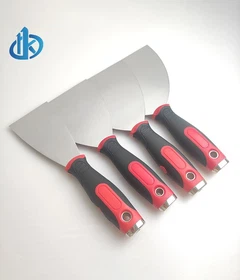
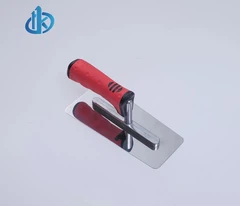
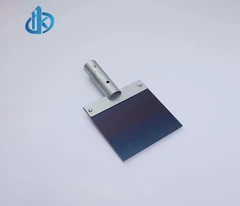

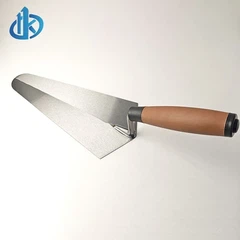

A new plastering trowel is like a new pair of jeans-stiff and unforgiving until you break it in. Skip this step, and you'll end up with streaky plaster and a sore arm. Start by cleaning the blade with warm, soapy water to remove any factory coatings or oils.
Then, grab a bucket of fine sand or a piece of sandpaper (400-grit works best) and gently rub the edge of the blade. This "knocks off the sharpness" slightly, preventing it from digging into the plaster.
Next, mix up a small batch of plaster (or use leftover mortar) and spread it on a scrap piece of plywood. Work the trowel back and forth, applying light pressure. The goal is to flex the blade gently, loosening it up without bending it. Do this for 10 to 15 minutes-you'll notice the blade starts to feel more responsive, like it's "giving" a little under your hand.
Finish by wiping the blade clean and applying a light coat of mineral oil. This prevents rust and keeps the blade moving smoothly. Repeat the process a few times on scrap material before using it on a real wall-by then, your trowel will be as comfortable as an old friend, gliding through plaster like butter.
plaster trowel from hanke tool


