
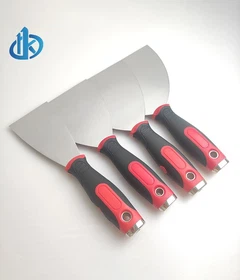
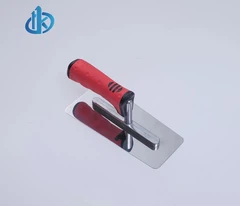




Spreading plaster evenly sounds hard, but it's all about technique-once you get the hang of it, it'll feel like second nature. I remember my first time: I spread plaster so unevenly, some spots were thick enough to build a brick wall, and others were so thin you could see through them. But after a few tries, I figured out the tricks that make it easy. Let's break them down.
First, mix the plaster correctly. If it's too thick, it'll clump on the trowel and be impossible to spread. If it's too thin, it'll run down the wall and leave streaks. Aim for the consistency of peanut butter-thick enough to stay on the trowel, but thin enough to spread with a little pressure. I always mix a small batch first to test it-better to waste a little plaster than to mess up the whole wall.
Then, load the trowel right. Don't pile on too much-just a quarter-inch layer on the blade. Hold the trowel at a 45-degree angle to the bucket, scoop the plaster, then tap the blade gently on the bucket's edge to remove excess. Too much plaster will make the trowel heavy, and you'll end up with thick blobs. Too little, and you'll have to make too many passes. I used to load too much, and I'd have to scrape off excess plaster from the wall-total waste of time.
Next, the angle is everything. Hold the trowel at a 15 to 20-degree angle to the wall. If it's too flat (less than 15 degrees), the blade will drag and leave thick, uneven lines. If it's too steep (more than 20 degrees), you'll scrape off too much plaster. Practice the angle first-hold the trowel against the wall without any plaster, and get a feel for it. I used to practice this while watching TV-silly, but it helped.
When spreading, use light, steady pressure. Start at the bottom of the wall and push the trowel upward in a straight line. Don't press too hard-let the weight of the trowel do the work. When you reach the top, lift the trowel slightly and pull it back down to smooth any edges. Don't go over the same spot more than twice-wet plaster dries fast, and each pass can mess up the finish. If you see a thick spot, gently scrape off the excess with the edge of the trowel. If you see a thin spot, add a little more plaster and spread it quickly.
One last tip: work in small sections. Don't try to cover the whole wall at once-focus on a 2x2 foot area. That way, you can spread the plaster before it dries. I used to try to cover too much, and the plaster would dry before I could smooth it-total disaster. Small sections are the key to even plaster.
Trust me, with a little practice, you'll be spreading plaster evenly like a pro. I still make mistakes sometimes, but these tricks keep me on track.


