


Are beech wood hammers good for knocking out nails? Well, that's a question I get asked a lot as a beech wood hammer supplier. I've been in this business for quite a while, and I've seen firsthand how these hammers perform in various situations. So, let's dive in and explore whether beech wood hammers are a good choice for knocking out nails.
First off, let's talk about what makes beech wood a popular material for hammer handles. Beech wood is known for its strength and durability. It can withstand a fair amount of impact without cracking or splintering, which is crucial when you're using a hammer to drive or remove nails. The grain of beech wood is also relatively straight, giving the handle a smooth and even surface. This not only feels good in your hand but also helps to distribute the force evenly when you strike.
One of the key advantages of using a beech wood hammer for knocking out nails is its weight. Beech wood is a moderately heavy wood, which means the hammer has enough heft to deliver a solid blow. When you're trying to remove a nail, you need that extra weight to break the nail's grip on the material. A lighter hammer might not have the force needed to dislodge the nail effectively, while a too - heavy hammer can be difficult to control.
Another benefit is the shock absorption properties of beech wood. When you strike a nail with a hammer, there's a significant amount of vibration that travels up the handle. Beech wood helps to absorb some of this vibration, reducing the strain on your hand and arm. This is especially important if you're doing a lot of nail - knocking work. You don't want to end up with a sore hand or wrist after a long day of using the hammer.
Now, let's look at some of the different types of beech wood hammers available. We have the Beech Wood Handle Carpenter Hammer. This is a classic hammer that's great for general carpentry work, including knocking out nails. It has a well - balanced head and a comfortable beech wood handle. The handle is usually contoured to fit your hand, making it easy to hold and swing.
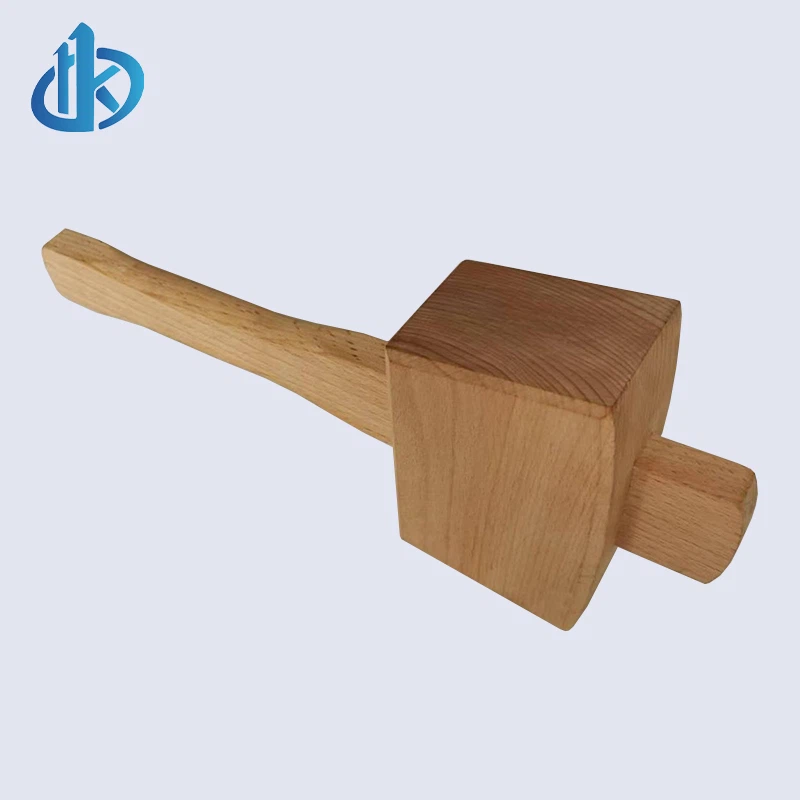

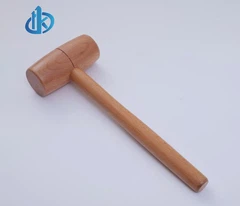
The Mallet Wooden Hammer is another option. Mallets are a bit different from traditional hammers. They have a larger, flatter head and are often used for more delicate work. However, they can also be used to knock out nails, especially in situations where you don't want to damage the surrounding material. The beech wood handle on the mallet provides a good grip and helps to control the force of the strike.
Then there's the Wood Chisel Hammer. While its primary purpose is to drive chisels, it can also be used for knocking out nails. The head of a wood chisel hammer is usually smaller and more precise, which can be an advantage when you're dealing with small nails or need to work in tight spaces.
Of course, like any tool, beech wood hammers aren't perfect for every situation. In some cases, a metal - handled hammer might be more suitable. For example, if you're working in a very wet or humid environment, beech wood can absorb moisture and potentially warp or rot over time. Also, if you need to deliver extremely high - force blows, a metal - handled hammer might be able to transfer more energy.
But for most everyday nail - knocking tasks, beech wood hammers are a great choice. They're affordable, reliable, and comfortable to use. Whether you're a professional carpenter or a DIY enthusiast, having a good beech wood hammer in your toolbox can make your nail - knocking jobs a lot easier.
If you're interested in purchasing beech wood hammers, I'd love to talk to you. We have a wide range of beech wood hammers available, and we can help you find the right one for your needs. Whether you need a single hammer for a small project or a bulk order for a construction site, we've got you covered. So, don't hesitate to reach out and start a conversation about your hammer requirements.
References
- Wood Handbook: Wood as an Engineering Material, Forest Products Laboratory
- The Complete Guide to Woodworking Tools, various authors