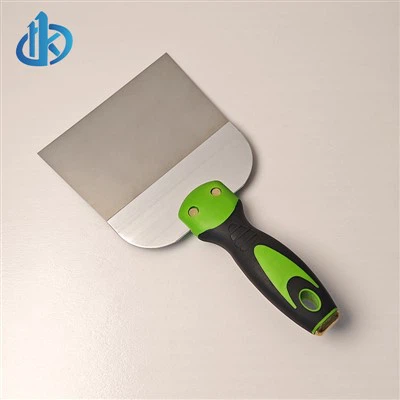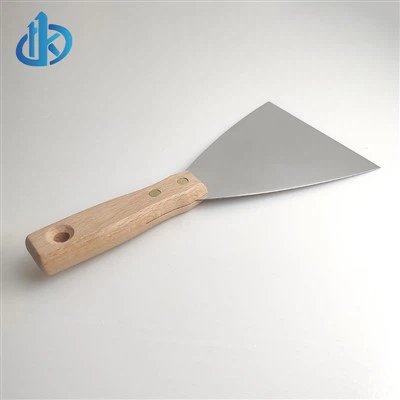




When it comes to the world of masonry and plastering, selecting the right tools is crucial, especially for beginners. One such tool that often sparks debate is the wooden trowel. As a wooden trowel supplier, I've had numerous conversations with novice masons and plasterers about the suitability of wooden trowels for those just starting out. In this blog, I'll delve into the characteristics of wooden trowels, their advantages and disadvantages for beginners, and ultimately, determine whether they are a good choice for those new to the trade.
Understanding Wooden Trowels
Wooden trowels have been used in construction and masonry for centuries. They come in various types, each designed for specific tasks. For instance, the Wood Cement Trowel is ideal for working with cement-based materials, while the Wooden Plastering Float is commonly used for applying and smoothing plaster. The Wooden Concrete Finishing Trowel is specifically crafted to give a smooth finish to concrete surfaces.
Advantages of Wooden Trowels for Beginners
1. Affordability
One of the most significant advantages of wooden trowels for beginners is their affordability. Starting a new trade can be expensive, with the need to purchase a variety of tools. Wooden trowels are generally much cheaper than their metal counterparts, such as stainless - steel or carbon - steel trowels. This allows beginners to acquire the necessary tools without breaking the bank. For someone who is still unsure if they want to pursue masonry or plastering as a long - term career, investing in affordable wooden trowels is a low - risk option.
2. Lightweight
Wooden trowels are lightweight compared to metal trowels. This is a huge benefit for beginners who may not have developed the strength and endurance required for extended periods of tool use. A lightweight trowel is easier to handle, reducing fatigue and allowing beginners to focus on learning the proper techniques. For example, when applying plaster to a wall, a heavy metal trowel may cause the beginner's arm to tire quickly, leading to inconsistent application. In contrast, a wooden trowel can be maneuvered more easily, enabling the novice to achieve a more even finish.
3. Gentle on Surfaces
Wood is a softer material than metal. When working on delicate surfaces, such as newly plastered walls or soft concrete, a wooden trowel is less likely to scratch or damage the surface. This is important for beginners who are still learning how to control the pressure and movement of the trowel. A metal trowel, if used incorrectly, can leave unsightly marks on the surface, which may require additional time and effort to correct. With a wooden trowel, beginners can gain confidence in their skills without the fear of causing irreversible damage to the work surface.
4. Natural Feel
Wood has a natural and warm feel in the hand. This can make the learning process more enjoyable for beginners. Holding a wooden trowel feels more organic, which can help beginners develop a better sense of touch and control. It allows them to get a feel for the material they are working with, whether it's cement, plaster, or concrete, and understand how the trowel interacts with the surface. This natural connection between the tool and the user can enhance the learning experience and lead to faster skill development.
Disadvantages of Wooden Trowels for Beginners
1. Durability
One of the main drawbacks of wooden trowels is their relatively low durability compared to metal trowels. Wood is susceptible to moisture, rot, and wear. If not properly maintained, a wooden trowel can warp, crack, or become damaged over time. For example, if a wooden trowel is left in a damp environment or is not dried properly after use, the wood may start to rot. This means that beginners may need to replace their wooden trowels more frequently, which can add to the overall cost in the long run.
2. Limited Resistance to Abrasion
Wood is not as resistant to abrasion as metal. When working with rough or abrasive materials, such as some types of cement or concrete, the wooden trowel can wear down quickly. The edges of the trowel may become dull, and the surface may start to show signs of wear. This can affect the performance of the trowel and make it more difficult for beginners to achieve a smooth finish. For instance, when finishing a concrete floor, a wooden trowel may not be able to withstand the constant friction, resulting in an uneven surface.
3. Inconsistent Performance
The quality of wooden trowels can vary significantly depending on the type of wood used and the manufacturing process. Some wooden trowels may have knots or irregularities in the wood, which can affect their performance. A trowel with a knot in the wrong place may not glide smoothly over the surface, making it difficult for the beginner to apply the material evenly. In contrast, metal trowels are generally more consistent in terms of quality and performance.
Making a Decision
So, are wooden trowels suitable for beginners? The answer is that it depends on several factors. If the beginner is on a tight budget, is looking for a lightweight and gentle tool to start with, and is working on projects that do not require extreme durability, then wooden trowels can be a great choice. They provide an affordable and user - friendly option for learning the basic techniques of masonry and plastering.
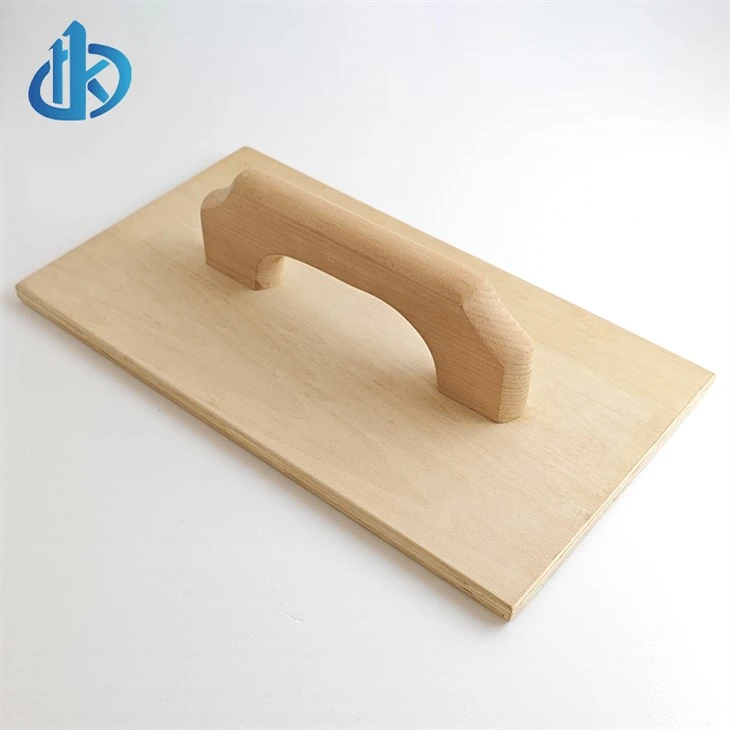
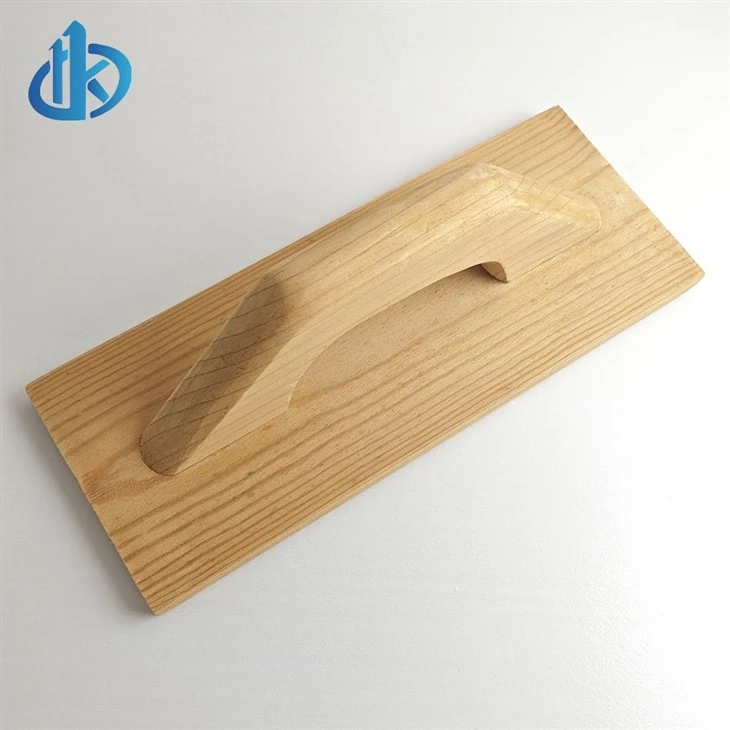
However, if the beginner plans to work on heavy - duty projects or projects that involve abrasive materials on a regular basis, then they may need to consider investing in more durable metal trowels in the long run. But for the initial learning phase, wooden trowels can serve as an excellent starting point.
Maintenance Tips for Wooden Trowels
If beginners decide to use wooden trowels, proper maintenance is essential to extend their lifespan. Here are some tips:
- Clean After Use: After each use, clean the wooden trowel thoroughly with a damp cloth to remove any remaining material. Then, dry it completely to prevent moisture from causing rot.
- Oil the Wood: Periodically apply a thin layer of linseed oil or another wood - preserving oil to the trowel. This helps to protect the wood from moisture and keeps it in good condition.
- Store Properly: Store the wooden trowel in a dry place. Avoid leaving it in a damp or humid environment, as this can cause the wood to warp or rot.
Conclusion
In conclusion, wooden trowels have both advantages and disadvantages for beginners. Their affordability, lightweight nature, gentle touch on surfaces, and natural feel make them a great option for those just starting out in the world of masonry and plastering. However, their limited durability and resistance to abrasion are factors that need to be considered.
As a wooden trowel supplier, I believe that wooden trowels can be an excellent choice for beginners to learn the basics of the trade. They provide a cost - effective and user - friendly way to gain experience and develop skills. If you're a beginner looking to start your journey in masonry or plastering, I encourage you to give wooden trowels a try.
If you're interested in purchasing high - quality wooden trowels, we are here to assist you. Contact us for more information and to discuss your specific needs. We offer a wide range of wooden trowels, including Wood Cement Trowel, Wooden Plastering Float, and Wooden Concrete Finishing Trowel. Let's start this exciting journey together!
References
- "The Masonry Handbook" - A comprehensive guide to masonry tools and techniques.
- "Plastering Basics" - An introductory book on plastering that discusses the use of different trowels.