


As a supplier of carbon steel putty knives, I've received numerous inquiries about the suitability of our products for removing acoustic putty. This blog post aims to comprehensively explore whether a carbon steel putty knife can be effectively used for this task, delving into the properties of both the knife and the acoustic putty, and discussing practical considerations in real - world applications.
Understanding Carbon Steel Putty Knives
Carbon steel putty knives are renowned for their durability and sharpness. Carbon steel, as a material, is composed primarily of iron with a small percentage of carbon. This composition gives the knives excellent hardness, which allows them to hold an edge well. The blades can be ground to a fine, sharp tip, making them suitable for precision work.
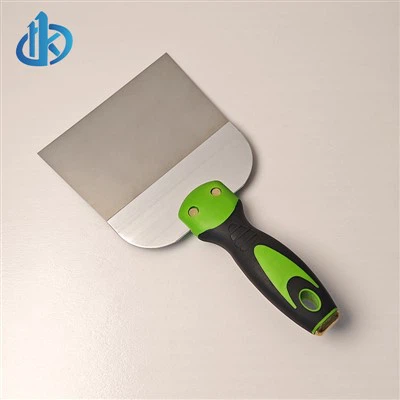
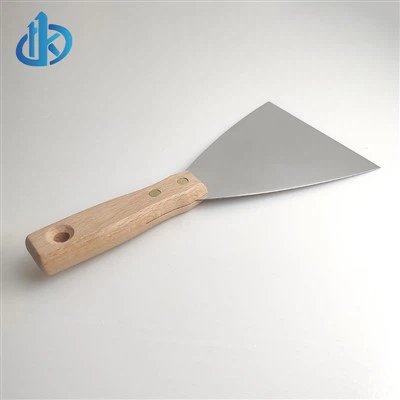
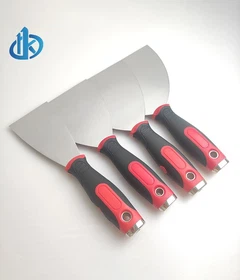
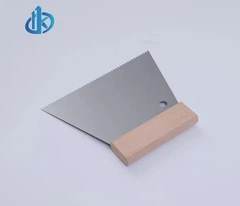
Our range of carbon steel putty knives includes different sizes and shapes to meet various user needs. For instance, the 1.5 Inch Spackle Knife is perfect for detailed work, while larger blades can cover more surface area quickly. The handles are designed for comfort and grip, ensuring that users can work for extended periods without fatigue.
Characteristics of Acoustic Putty
Acoustic putty is a specialized material used to dampen sound in various settings such as recording studios, home theaters, and industrial facilities. It is typically a thick, viscous substance that adheres strongly to surfaces. The putty is formulated to have excellent sound - absorbing properties, which often means it has a sticky and elastic nature.
When it comes to removing acoustic putty, one must consider its adhesive strength and the surface to which it is applied. Acoustic putty can bond tightly to walls, ceilings, and other substrates, and removing it requires a tool that can cut through and lift the putty without causing damage to the underlying surface.
Advantages of Using Carbon Steel Putty Knives for Removing Acoustic Putty
Sharpness and Precision
The sharp edge of a carbon steel putty knife can easily cut through the acoustic putty. This is particularly important when dealing with thick layers of putty or when trying to remove putty from small, hard - to - reach areas. The precision of the knife allows for careful removal, minimizing the risk of damaging the surrounding surface. For example, in a recording studio where the walls may have delicate finishes, a carbon steel putty knife can be used to precisely remove acoustic putty without scratching or chipping the paint.
Durability
Carbon steel putty knives are built to last. The hardness of the carbon steel ensures that the blade can withstand the pressure exerted during the putty - removal process. Unlike some plastic or softer metal tools, carbon steel knives are less likely to bend or break when prying up stubborn patches of acoustic putty. This durability makes them a cost - effective choice in the long run, as they can be used for multiple putty - removal projects.
Versatility
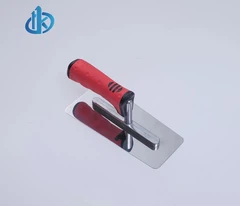
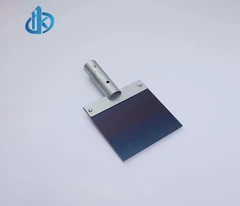
Our carbon steel putty knives can be used on a variety of surfaces, including drywall, wood, and metal. This versatility is an advantage when removing acoustic putty, as the putty can be applied to different substrates in different settings. Whether you are working on a drywall partition in an office or a metal panel in an industrial plant, a carbon steel putty knife can be the right tool for the job. The Finishing Tools For Drywall in our range are especially useful for such applications, as they are designed to work well with drywall surfaces, which are commonly used in acoustic installations.
Practical Considerations
Surface Protection
While carbon steel putty knives are sharp and effective, they can still cause damage to some surfaces if not used correctly. Before starting the putty - removal process, it is advisable to test the knife on a small, inconspicuous area to ensure that it does not scratch or mar the surface. If necessary, a protective layer such as masking tape can be applied around the area where the putty is being removed to prevent accidental damage.
Blade Maintenance
To maintain the effectiveness of the carbon steel putty knife, proper blade maintenance is essential. After each use, the blade should be cleaned to remove any residual putty. A simple wipe with a clean cloth and a mild solvent can do the trick. Additionally, the blade can be sharpened periodically to ensure that it remains in optimal condition. Dull blades can make the putty - removal process more difficult and may increase the risk of surface damage.
Safety Precautions
When using a carbon steel putty knife to remove acoustic putty, safety should be a top priority. The sharp blade can cause cuts if mishandled. It is recommended to wear gloves to protect your hands and safety glasses to prevent any debris from getting into your eyes. Also, make sure to work in a well - ventilated area, especially if using solvents to clean the blade or soften the putty.
Case Studies
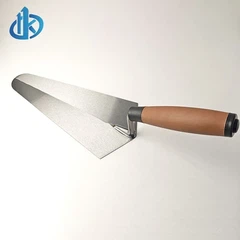
In a recent project at a local home theater renovation, our Vintage Wall Putty Knife was used to remove old acoustic putty from the walls. The client had decided to upgrade the acoustic insulation and needed to remove the existing putty. The carbon steel blade easily cut through the thick layers of putty, and the comfortable handle allowed the workers to work efficiently for hours. The putty was removed without any significant damage to the drywall surface, and the project was completed on time and within budget.


Another case involved a recording studio where the acoustic putty had been applied unevenly. The precision of our 1.5 - inch spackle knife was crucial in carefully removing the excess putty from the corners and edges of the walls. The sharp blade ensured a clean cut, and the durability of the carbon steel meant that the knife could withstand the repeated pressure of prying up the putty.
Conclusion
In conclusion, a carbon steel putty knife can indeed be used for removing acoustic putty. Its sharpness, durability, and versatility make it a suitable tool for this task. However, proper use and maintenance are essential to ensure the best results and to protect the underlying surfaces.
If you are in the market for high - quality carbon steel putty knives for your acoustic putty removal projects or any other putty - related tasks, we are here to help. Our products are designed to meet the highest standards of quality and performance. Contact us to discuss your specific requirements and start a procurement negotiation. We look forward to partnering with you on your next project.
References
- Engineering Materials Handbook: Properties and Selection, Metals Volume, ASM International
- Drywall and Plasterboard Installation Guide, National Association of Home Builders