


Leather embossing is an art form that has been practiced for centuries, adding a touch of elegance and uniqueness to leather goods. The process involves creating raised or sunken designs on the surface of the leather using specialized tools. One question that often arises among leather artisans and enthusiasts is whether a little wooden hammer can be used for leather embossing. In this blog post, we'll delve into this topic, exploring the feasibility, advantages, and considerations of using a little wooden hammer for leather embossing. As a supplier of little wooden hammers, I'm excited to share my insights and experiences with you.
The Basics of Leather Embossing
Before we discuss the use of a little wooden hammer, let's briefly understand the leather embossing process. Leather embossing typically requires a combination of a die (a metal or wooden tool with the desired design) and a mallet or hammer to apply pressure. The die is placed on the leather, and the mallet is used to strike the die, transferring the design onto the leather surface. The pressure and force applied determine the depth and clarity of the embossed design.
Can a Little Wooden Hammer Work for Leather Embossing?
The short answer is yes, a little wooden hammer can be used for leather embossing, especially for small-scale or detailed work. Here are some reasons why:
1. Precision
Little wooden hammers offer greater precision compared to larger mallets. Their smaller size allows for more controlled strikes, making them ideal for intricate designs and detailed embossing work. Whether you're adding fine lines, small patterns, or delicate motifs to your leather pieces, a little wooden hammer gives you the accuracy you need to achieve the desired results.
2. Gentle Impact
Wooden hammers provide a softer and more gentle impact compared to metal hammers. This is beneficial for leather embossing as it reduces the risk of damaging the leather surface. The natural elasticity of wood helps to distribute the force evenly, preventing the leather from cracking or tearing under excessive pressure.
3. Versatility
Little wooden hammers are versatile tools that can be used in various leatherworking techniques. In addition to embossing, they can also be used for tasks such as stamping, riveting, and setting hardware. This makes them a valuable addition to any leather artisan's toolkit.
Advantages of Using a Little Wooden Hammer for Leather Embossing
In addition to the reasons mentioned above, there are several other advantages to using a little wooden hammer for leather embossing:
1. Cost-Effective
Little wooden hammers are generally more affordable than specialized leather embossing tools. This makes them a great option for beginners or hobbyists who want to experiment with leather embossing without investing a lot of money.
2. Easy to Use
Wooden hammers are easy to handle and require minimal training to use effectively. Their lightweight design and ergonomic shape make them comfortable to hold and maneuver, even for extended periods of time.
3. Aesthetic Appeal
Wooden hammers have a natural and rustic look that adds a touch of charm to your leatherworking process. They can also be customized with different finishes or carvings to match your personal style or the theme of your projects.
Considerations When Using a Little Wooden Hammer for Leather Embossing
While a little wooden hammer can be a useful tool for leather embossing, there are some considerations to keep in mind:
1. Hammer Weight
The weight of the hammer can affect the force and depth of the embossed design. A heavier hammer will provide more force, resulting in a deeper and more pronounced emboss. However, it may also be more difficult to control, especially for beginners. On the other hand, a lighter hammer offers more precision but may require more strikes to achieve the desired effect.
2. Hammer Head Material
The material of the hammer head can also impact the embossing process. Different types of wood have different densities and hardness levels, which can affect the way the hammer transfers force to the leather. For example, harder woods like oak or maple may provide a more forceful impact, while softer woods like pine or cedar may offer a gentler touch.
3. Leather Type and Thickness
The type and thickness of the leather you're working with will also influence the effectiveness of the embossing process. Thicker and more durable leathers may require more force to emboss, while thinner and more delicate leathers may be more prone to damage. It's important to choose the right hammer and technique based on the specific characteristics of the leather.
Choosing the Right Little Wooden Hammer for Leather Embossing
When selecting a little wooden hammer for leather embossing, there are several factors to consider:
1. Size and Shape
Choose a hammer that is the right size and shape for your embossing needs. A smaller hammer with a narrow head is ideal for detailed work, while a slightly larger hammer with a broader head may be more suitable for larger designs or general embossing tasks.
2. Weight
Consider the weight of the hammer based on your personal preference and the type of leather you'll be working with. As mentioned earlier, a heavier hammer provides more force, while a lighter hammer offers more precision.
3. Quality of Construction
Look for a well-constructed wooden hammer that is made from high-quality materials. The handle should be smooth and comfortable to hold, and the head should be securely attached to the handle to prevent it from coming loose during use.


Our Little Wooden Hammer Offerings
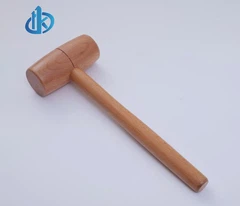
As a supplier of little wooden hammers, we offer a range of high-quality products designed specifically for leather embossing and other leatherworking applications. Our hammers are made from premium birch wood, known for its durability, strength, and natural beauty.
We have different styles and sizes of little wooden hammers to meet your specific needs. Whether you're looking for a Wooden Mini Hammer for detailed work or a Handmade Wood Mallet for more general embossing tasks, we've got you covered. We also offer a Big Wooden Mallet for larger projects or when you need more force.
Tips for Using a Little Wooden Hammer in Leather Embossing
Here are some tips to help you get the most out of your little wooden hammer when embossing leather:
1. Practice on Scrap Leather
Before working on your final project, practice embossing on scrap pieces of leather to get a feel for the hammer and the embossing process. This will help you develop your technique and confidence.
2. Use a Soft Surface
Place a soft surface, such as a leather pad or a piece of felt, under the leather to prevent it from slipping and to absorb some of the impact. This will also help to protect your work surface.
3. Strike at the Right Angle
Hold the hammer at a slight angle and strike the die with a firm but controlled motion. Aim for the center of the die to ensure an even transfer of the design onto the leather.
4. Build Up the Pressure Gradually
If you're looking for a deeper emboss, build up the pressure gradually by striking the die multiple times. Avoid using excessive force in a single strike, as this can damage the leather.
Conclusion
In conclusion, a little wooden hammer can be a valuable tool for leather embossing, offering precision, gentle impact, and versatility. Whether you're a beginner or an experienced leather artisan, adding a little wooden hammer to your toolkit can enhance your leatherworking capabilities and allow you to create beautiful, detailed embossed leather pieces.
If you're interested in purchasing a little wooden hammer for your leather embossing projects, we invite you to explore our product range. We're committed to providing high-quality tools that meet the needs of leather artisans at all levels. Contact us to discuss your requirements and start your leather embossing journey with the right little wooden hammer.
References
- "The Complete Guide to Leatherworking" by Jane Smith
- "Leather Crafting Techniques" by John Doe
- "Wooden Tools for Leatherworking" by Leather Artisans Magazine