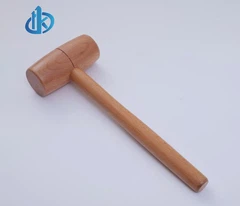



In the world of wine and bottle sealing, traditional corking tools have long been the norm. However, a question has emerged in certain circles: Can a little wooden mallet be used for corking bottles? As a supplier of various wooden mallets, including the Tiny Wooden Hammer, Solid Beech Wood Hammer, and Beech Wood Handle Carpenter Hammer, I've often pondered this unique query. In this blog, we'll explore the feasibility, potential advantages, and possible drawbacks of using a little wooden mallet for corking bottles.
The Science Behind Corking
Before we delve into the potential use of a wooden mallet for corking, it's essential to understand the science behind the process. Corking a bottle involves inserting a cork into the bottleneck to create an airtight seal. This seal is crucial for preserving the contents of the bottle, especially in the case of wine, where it helps to prevent oxidation and maintain the flavor profile.
The cork material itself plays a significant role in this process. Cork is a natural, porous material that can compress under pressure and expand once inside the bottleneck, forming a tight seal. Traditional corking tools, such as corkscrews and corking machines, are designed to apply a controlled and even pressure to the cork, ensuring a proper fit without damaging the cork or the bottle.
Can a Little Wooden Mallet Work?
The idea of using a wooden mallet for corking may seem unconventional at first glance, but upon closer inspection, it's not entirely unfeasible. A little wooden mallet can potentially provide the necessary force to drive the cork into the bottleneck. When used correctly, the mallet can deliver a sharp, precise blow that compresses the cork and seats it securely in place.
One of the key advantages of using a wooden mallet is its simplicity. Unlike complex corking machines, a mallet is a straightforward tool that requires no special training or technical knowledge to operate. It's also a portable and lightweight option, making it suitable for use in various settings, such as at home, in a small winery, or even outdoors.
Another potential benefit is the tactile feedback provided by a wooden mallet. When using a mallet, the user can feel the impact of each blow and adjust the force accordingly. This level of control can be particularly useful when corking different types of bottles or corks, as it allows for a more customized approach.
Considerations and Drawbacks
While a little wooden mallet can be a viable option for corking bottles, there are several considerations and potential drawbacks to keep in mind. One of the main challenges is the risk of applying too much force, which can cause the cork to break or shatter inside the bottleneck. This not only ruins the cork but can also contaminate the contents of the bottle.
To mitigate this risk, it's essential to use a mallet with the right weight and size. A mallet that is too heavy or large may be difficult to control, while one that is too light may not provide enough force to insert the cork properly. It's also important to choose a mallet with a smooth and flat striking surface to ensure an even distribution of force.

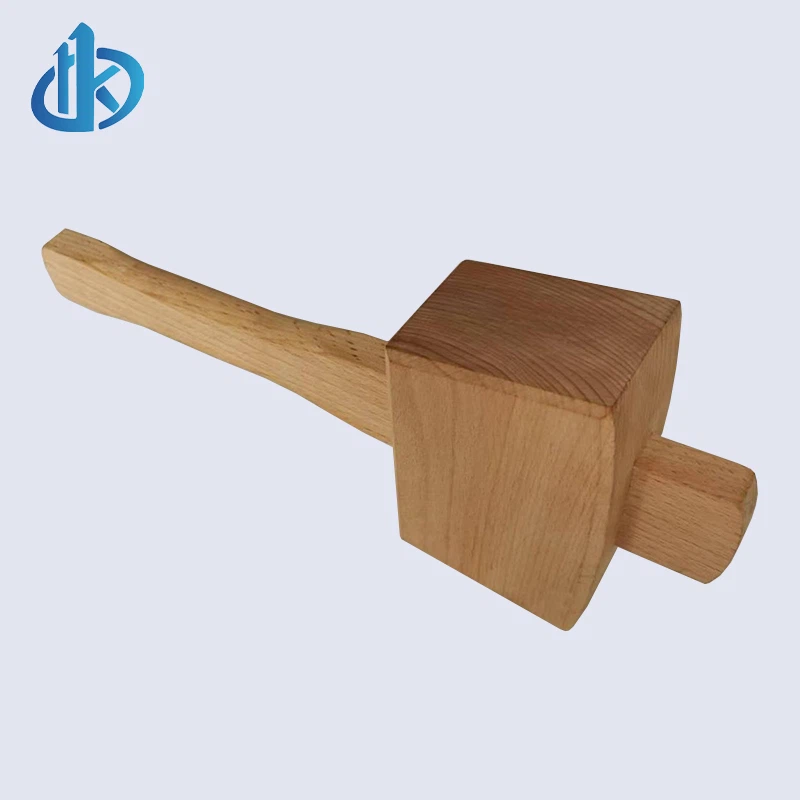
Another consideration is the impact on the cork and the bottle. The sharp blows delivered by a mallet can potentially damage the cork, causing it to lose its elasticity and compromising the seal. Additionally, if the mallet hits the bottleneck at an angle, it can crack or chip the glass, rendering the bottle unusable.
To minimize these risks, it's recommended to use a rubber or leather head mallet, which can absorb some of the impact and reduce the chances of damage. It's also important to take your time and aim carefully when using a mallet, ensuring that each blow is straight and centered on the cork.
Practical Tips for Using a Wooden Mallet for Corking
If you decide to give a little wooden mallet a try for corking bottles, here are some practical tips to help you get the best results:
- Choose the right mallet: Select a mallet with a suitable weight and size for the job. A mallet that weighs between 4 and 8 ounces is generally a good choice for corking standard wine bottles.
- Prepare the cork: Before inserting the cork, moisten it slightly with water or wine. This will help to soften the cork and make it easier to insert.
- Position the cork: Place the cork on top of the bottleneck and center it carefully. Use your fingers to apply a gentle downward pressure to hold the cork in place.
- Use a guide: To ensure that each blow is straight and centered, you can use a corking guide or a small tube. This will help to keep the cork in position and prevent it from sliding off to the side.
- Aim carefully: When using the mallet, aim for the center of the cork and deliver a sharp, precise blow. Start with a light tap to test the force and gradually increase the intensity as needed.
- Check the seal: After inserting the cork, check to make sure that it is seated properly and that there are no gaps or leaks. If necessary, use the mallet to give the cork an additional tap to ensure a tight seal.
Case Studies and User Experiences
While there is limited scientific research on the use of wooden mallets for corking bottles, there are several anecdotal accounts of successful experiences. Many home winemakers and small-scale producers have reported using wooden mallets with great results.
One user, for example, shared their experience of using a Tiny Wooden Hammer to cork their homemade wine. They found that the mallet provided the perfect amount of force to insert the cork smoothly and securely, without causing any damage to the cork or the bottle. Another user reported using a Solid Beech Wood Hammer to cork a variety of bottles, including beer bottles and olive oil bottles, with excellent results.
These case studies demonstrate that with the right technique and a suitable mallet, it is possible to use a wooden mallet for corking bottles effectively. However, it's important to note that individual results may vary, and it may take some practice to master the technique.
Conclusion
In conclusion, while using a little wooden mallet for corking bottles may not be the traditional approach, it is a viable option with several potential advantages. When used correctly, a wooden mallet can provide the necessary force to insert the cork and create a secure seal. Its simplicity, portability, and tactile feedback make it an attractive option for home winemakers, small-scale producers, and anyone looking for a more hands-on approach to corking.
However, it's important to approach this method with caution and be aware of the potential risks. To ensure the best results, choose a suitable mallet, take your time, and follow the practical tips outlined in this blog. With a bit of practice and experimentation, you may find that using a wooden mallet for corking is a fun and effective alternative to traditional corking tools.
If you're interested in exploring the use of wooden mallets for corking or other applications, we invite you to browse our range of high-quality wooden mallets, including the Tiny Wooden Hammer, Solid Beech Wood Hammer, and Beech Wood Handle Carpenter Hammer. We're here to provide you with the best products and support to help you achieve your corking goals. If you have any questions or would like to discuss your specific needs, please don't hesitate to contact us. We look forward to partnering with you and helping you discover the versatility of wooden mallets.
References
- Bullet, M. (2015). Cork: Natural Seal, Sustainable Solution. Journal of Wine Research, 26(2), 131-138.
- Ruffner, W. H. (2016). The Science of Wine Corks. Scientific American.
- VinePair. (2020). How Wine Corks Work and Why They're Important. Retrieved from https://vinepair.com/articles/how-wine-corks-work/