


Hey there! I'm a supplier of round wood heel hammers, and I know how important it is to use these tools with accuracy. Whether you're a professional carpenter or a DIY enthusiast, getting the most out of your round wood heel hammer can make a world of difference in your projects. So, let's dive into some tips on how to improve your accuracy when using this handy tool.
1. Choose the Right Hammer
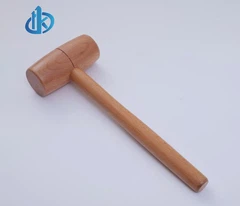
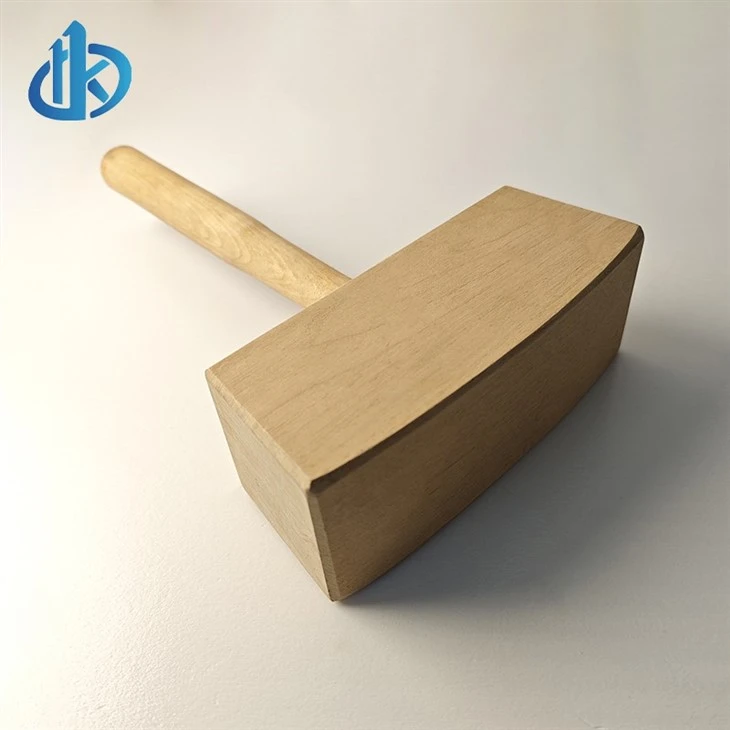
First things first, picking the right round wood heel hammer is crucial. You want a hammer that feels comfortable in your hand and suits the type of work you'll be doing. Our Mallet Hammer is a great option for general use. It's well - balanced and has a nice weight that allows for better control. If you're working on smaller, more delicate projects, our Little Wooden Hammer might be the way to go. And for larger tasks that require more force, the Large Wooden Mallet is a solid choice.

2. Get a Good Grip
A proper grip is the foundation of accurate hammering. Hold the hammer firmly but not too tightly. You want enough control to direct your strikes, but if you grip it too hard, your hand might start to shake, throwing off your aim. For most tasks, a traditional overhand grip works well. Place your hand near the end of the handle for more leverage. This gives you more power and better control over where the hammer lands.
3. Focus on Your Stance
Your stance plays a big role in accuracy. Stand with your feet shoulder - width apart to provide a stable base. This helps you maintain balance and transfer your body weight into each strike. If you're standing too close or too far from your work surface, it can be harder to aim accurately. Make sure you're at a comfortable distance so you can swing the hammer smoothly.
4. Line Up Your Target
Before you take a swing, take a moment to line up your target. Whether you're driving a nail or hitting a chisel, visually align the hammer's face with the exact spot you want to strike. It might sound simple, but many people rush this step and end up missing their mark. You can even use your non - hammering hand to point at the target as an extra visual guide.
5. Practice Your Swing
A smooth, controlled swing is key to accurate hammering. Start with slow, deliberate swings to get a feel for the hammer's movement. As you gain more confidence, you can gradually increase your speed. Keep your elbow slightly bent and let your arm move in a natural arc. Avoid jerky or sudden movements, as these can cause you to miss your target. You can practice on some scrap wood to perfect your swing before moving on to your actual project.
6. Use Your Body Weight
Don't rely solely on your arm strength to drive the hammer. Instead, use your body weight to add power to each strike. As you swing the hammer down, shift your weight from your back foot to your front foot. This transfers more force into the blow and gives you better control over the impact. It also helps prevent fatigue, allowing you to work for longer periods without getting tired.
7. Adjust Your Swing for Different Tasks
Not all hammering tasks are the same, so you'll need to adjust your swing accordingly. For example, when driving a nail, you might want to start with light taps to set the nail in place, and then follow up with stronger blows to drive it all the way in. When using a chisel, a more controlled, precise strike is required. Adapt your swing based on the specific requirements of the task at hand.
8. Keep Your Eyes on the Target
This might seem obvious, but it's easy to get distracted during the hammering process. Keep your eyes fixed on the target throughout the swing. If you look away, even for a split second, you're likely to miss your mark. This simple focus can significantly improve your accuracy.
9. Maintain Your Hammer
A well - maintained hammer performs better. Regularly check the handle for any signs of wear or damage. If the handle is loose or cracked, it can affect your accuracy and even be dangerous. You can also keep the hammer's face clean and smooth. A dirty or rough face can cause the hammer to slip off the target, leading to inaccurate strikes.
10. Learn from Experience
The more you use a round wood heel hammer, the better you'll get at it. Pay attention to what works and what doesn't during each project. Analyze your mistakes and try to correct them next time. Over time, you'll develop a feel for the tool and be able to achieve greater accuracy with ease.
In conclusion, improving your accuracy when using a round wood heel hammer takes a combination of the right tool, proper technique, and practice. By following these tips, you'll be well on your way to becoming a more accurate and efficient hammer user.
If you're interested in purchasing high - quality round wood heel hammers or any of our other wooden hammers, like the Mallet Hammer, Little Wooden Hammer, or Large Wooden Mallet, feel free to reach out to us for a purchase and negotiation. We're here to help you find the perfect tools for your needs.
References
- Woodworking Basics: A Guide to Using Hand Tools, Various Authors
- The Art of Hammering: Techniques for Precision and Power, Carpenter's Journal