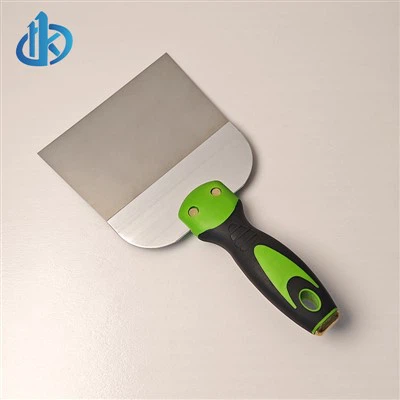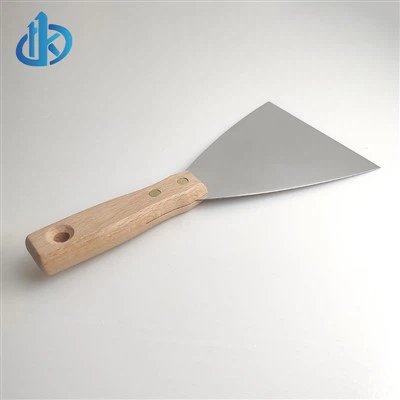
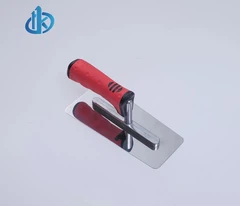




Hey there! As a supplier of sponge foam trowels, I've seen a lot of folks struggle with the right way to hold these handy tools. So, I thought I'd share some tips on what I believe is the best way to hold a sponge foam trowel.
First off, let's talk about why it matters. Holding a sponge foam trowel correctly can make a huge difference in how well you can apply materials like grout, plaster, or cement. It affects your control, the evenness of the application, and how tired your hand gets during a long project.
The Basic Grip
The most common and effective way to hold a sponge foam trowel is the "pencil grip." It might sound a bit strange, but it's just like how you hold a pencil when you're writing. You place your thumb on one side of the handle and your index and middle fingers on the other side. Your remaining fingers can curl around the handle for support.
This grip gives you a lot of control over the trowel. You can easily maneuver it in different directions, whether you're spreading grout in a small corner or smoothing out a large area of plaster. It also allows you to apply just the right amount of pressure. If you press too hard, the sponge might absorb too much material or leave uneven marks. With the pencil grip, you can adjust the pressure as needed.
Adjusting for Different Tasks
Now, depending on what you're using the trowel for, you might need to make some adjustments to the grip. For example, if you're working on a vertical surface, like tiling a wall, you might want to hold the trowel at a slightly different angle. You can tilt your hand so that the trowel is more parallel to the surface. This helps the material stay on the trowel and makes it easier to spread it evenly.
When you're working on a horizontal surface, like a floor, you can keep the trowel more flat. But you still need to be careful with the pressure. If you're applying a thick layer of material, you might need to press a bit harder to get it to spread. But if it's a thin layer, a lighter touch is better.

Choosing the Right Trowel
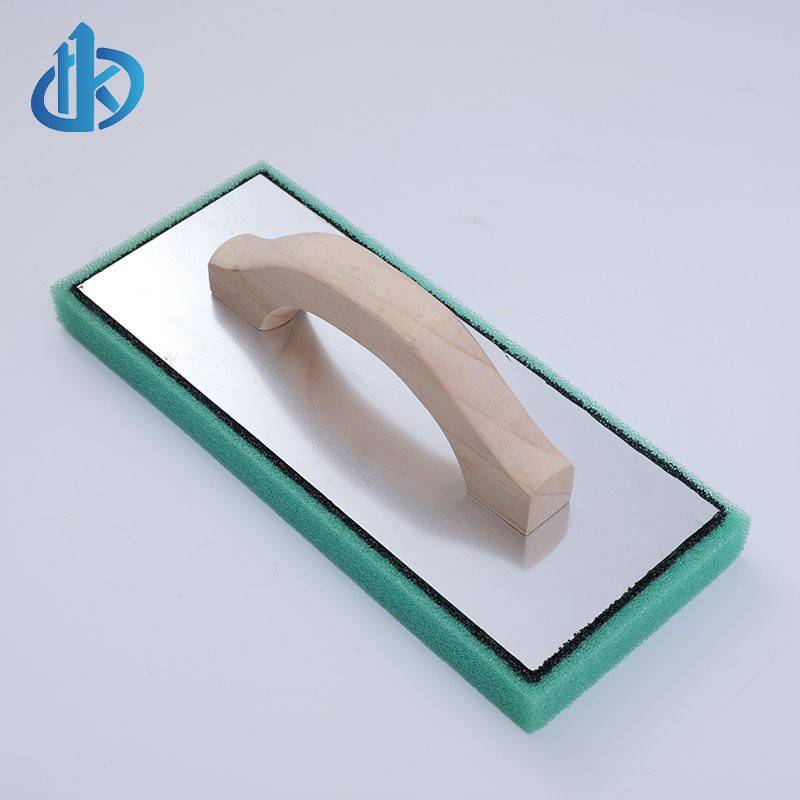
Another important factor in holding a sponge foam trowel correctly is choosing the right one for the job. We offer a variety of sponge foam trowels, each designed for different tasks. For example, our Grout Sponge Foam Float Trowel is perfect for applying and smoothing grout between tiles. It has a soft sponge that can absorb just the right amount of grout and leave a nice, clean finish.
Our Sponge Foam Trowel with Wooden Handle is great for general plastering and finishing work. The wooden handle gives you a comfortable grip and adds a bit of weight to the trowel, which can be helpful when you're applying more pressure.
And if you're working with cement, our Sponge Float Cement Finish Trowel is the way to go. It's designed to smooth out the surface of cement and give it a professional finish.
Practice Makes Perfect
Like any skill, holding a sponge foam trowel correctly takes practice. Don't be afraid to experiment with different grips and techniques. You can start by practicing on a small area or a scrap piece of material. Try different angles and pressures to see what works best for you.
And remember, it's not just about holding the trowel right. You also need to have the right technique for applying the material. Make sure you're spreading it evenly and in the right direction. If you're working with grout, for example, you should always spread it in a diagonal direction to avoid air bubbles.
Conclusion
So, there you have it! The best way to hold a sponge foam trowel is with a pencil grip, adjusting it as needed for different tasks. And make sure you choose the right trowel for the job. With a little practice, you'll be able to use these tools like a pro.
If you're in the market for high-quality sponge foam trowels, we'd love to talk to you. Whether you're a professional contractor or a DIY enthusiast, we have the tools you need to get the job done right. Just reach out to us to start a purchase negotiation.
References
- Personal experience as a sponge foam trowel supplier
- Observations of professionals using sponge foam trowels in various projects