


A floor scraper is an essential tool in the construction, renovation, and cleaning industries. As a floor scraper supplier, I've had the opportunity to learn in - depth about its working principle, which is the key to its effectiveness. In this blog, I'll break down the working principle of a floor scraper and explain how it functions to make floor - cleaning and renovation tasks easier.
Basic Components of a Floor Scraper
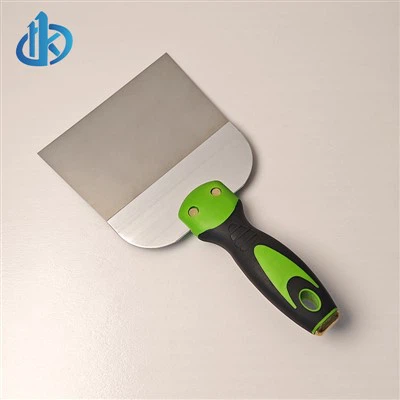
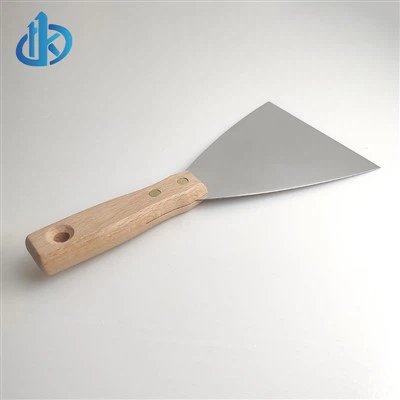
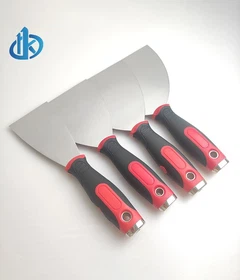
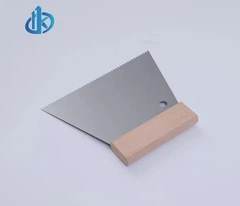
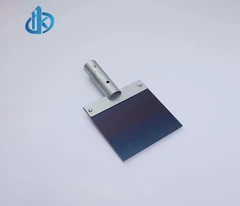
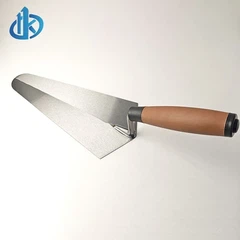
Before delving into the working principle, it's important to understand the basic components of a floor scraper. A typical floor scraper consists of a blade, a handle, and sometimes a frame. The blade is the most crucial part, which comes in different shapes, sizes, and materials depending on the intended use. For instance, our 150mm Carbon Steel Floor Scraper features a carbon - steel blade that provides high durability and sharpness. The handle is designed for user comfort and control, allowing the operator to apply force effectively. And the frame, if present, helps to support the blade and provides additional stability.
Physical Interaction with the Floor
The fundamental working principle of a floor scraper is based on the physical interaction between the blade and the floor surface. When the blade of the floor scraper is pressed against the floor, a certain amount of pressure is exerted. This pressure creates a shearing force at the interface between the blade and the unwanted material on the floor, such as paint, glue, or dirt.
Let's take the example of removing old paint from a floor. When the blade makes contact with the painted surface, the sharp edge of the blade starts to cut into the paint layer. As the operator moves the scraper forward, the shearing force causes the paint to separate from the floor. The key here is the sharpness of the blade. A sharper blade requires less force to cut through the material, making the scraping process more efficient.
Force Application and Leverage
Another important aspect of the working principle is the application of force. The operator uses the handle of the floor scraper to apply downward and forward force. By holding the handle at a proper angle, the operator can maximize the effectiveness of the scraping action. For instance, a steeper angle can increase the downward pressure, which is useful for removing stubborn materials. However, it also requires more strength from the operator.
Leverage also plays a significant role. The design of the handle acts as a lever. When the operator applies force at the end of the handle, the blade experiences a magnified force due to the leverage effect. This allows the operator to apply a relatively small amount of force at the handle to generate a large enough force at the blade to scrape the floor effectively.
Different Types of Floor Scrapers and Their Working Principles
Hand Floor Scraper
A Hand Floor Scraper is a simple yet effective tool. It is usually small and lightweight, designed for manual operation. The working principle of a hand floor scraper is very straightforward. The operator holds the scraper directly and uses hand - power to apply pressure and move the blade across the floor. This type of scraper is ideal for small - scale projects, such as removing small patches of paint or dirt in a home or a small workshop.
Cement Floor Scraper
A Cement Floor Scraper is specifically designed for use on cement floors. Cement floors are often rough and may have tough materials, such as dried concrete splashes or thick layers of glue. The blade of a cement floor scraper is usually thicker and more robust to withstand the high - pressure scraping required on cement surfaces. Its working principle is similar to other floor scrapers, but it needs to be able to handle the harder and more abrasive nature of cement.
Impact of Blade Material and Design
The material and design of the blade have a significant impact on the working principle of the floor scraper. Different materials have different properties, such as hardness, sharpness retention, and corrosion resistance.
Carbon steel is a popular material for floor scraper blades because of its high hardness and ability to hold a sharp edge. However, it may be prone to rust if not properly maintained. Stainless steel blades, on the other hand, are corrosion - resistant but may not be as hard as carbon steel. This means that stainless - steel blades may need to be sharpened more frequently but are suitable for use in wet or corrosive environments.
The design of the blade also affects its performance. Some blades have a serrated edge, which can increase the cutting efficiency by creating multiple cutting points. Other blades may have a curved shape, which can adapt better to irregular floor surfaces and improve the scraping effect.
Efficiency and Limitations
The efficiency of a floor scraper depends on several factors, including the sharpness of the blade, the type of material being removed, and the operator's skill. A well - maintained and sharp blade can significantly increase the efficiency of the scraping process. However, there are also limitations. For example, very thick or deeply embedded materials may be difficult to remove with a floor scraper alone. In such cases, additional methods, such as using chemicals or heat, may be required.
Conclusion and Call to Action
In conclusion, the working principle of a floor scraper is based on the physical interaction between the blade and the floor, the application of force, and the use of leverage. Understanding this principle can help users choose the right floor scraper for their specific needs and operate it more effectively.


As a floor scraper supplier, we offer a wide range of high - quality floor scrapers that are designed to meet different requirements. Whether you are a professional contractor or a DIY enthusiast, our products can provide you with reliable performance. If you are interested in our floor scrapers or have any questions about their working principle or usage, please feel free to contact us for more information and to discuss your procurement needs. We are always ready to assist you in finding the best floor - scraping solutions.
References
- Engineering Mechanics: Statics and Dynamics, 14th Edition, R.C. Hibbeler
- Handbook of Construction Materials and Methods, 3rd Edition, James A. O'Connor